The traveling office.
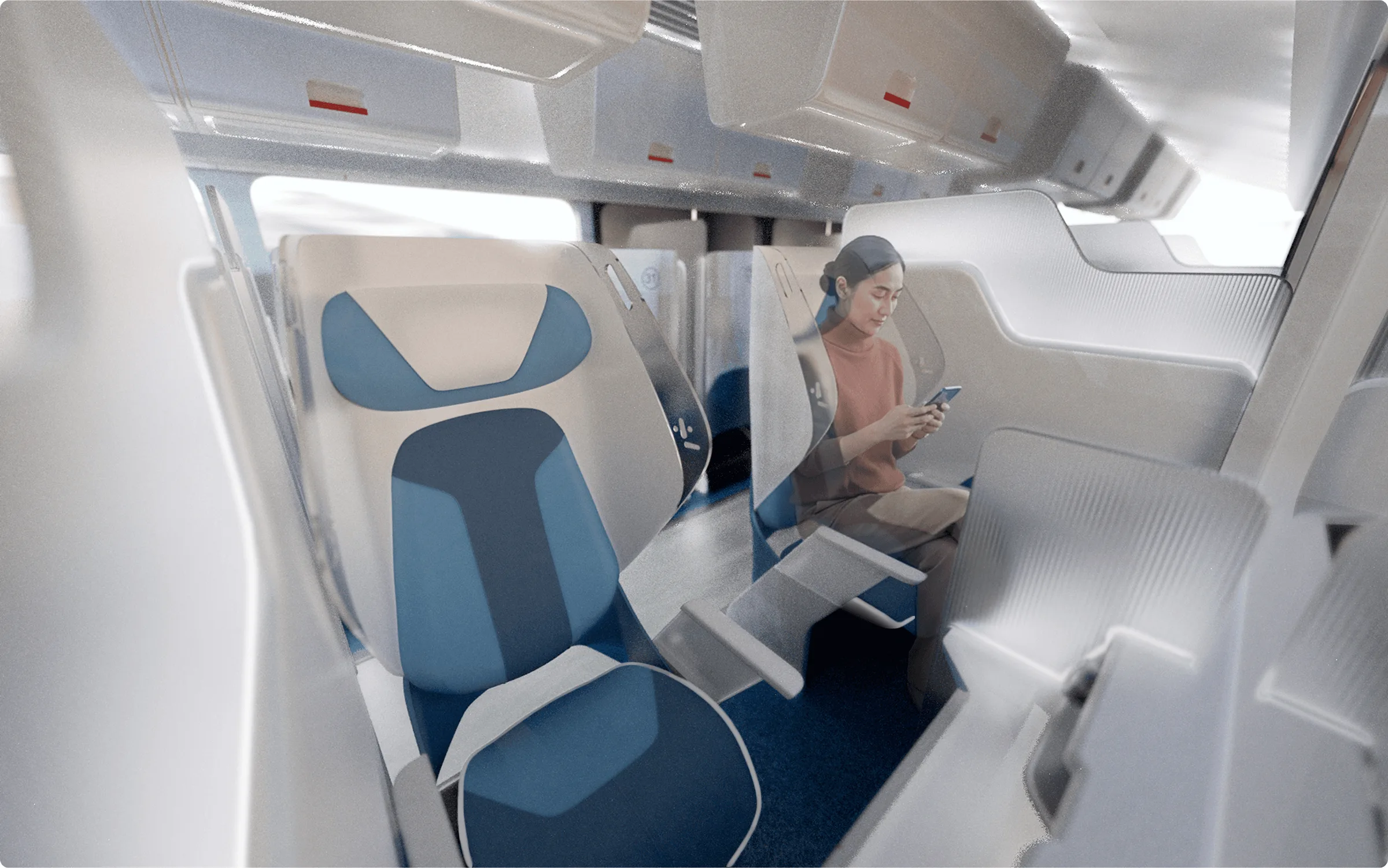
Amtrak Business Class. A business class for people who get their real work done between stations.
35.5 million US hybrid or remote workers and record ridership, but business class offers little privacy or work space.
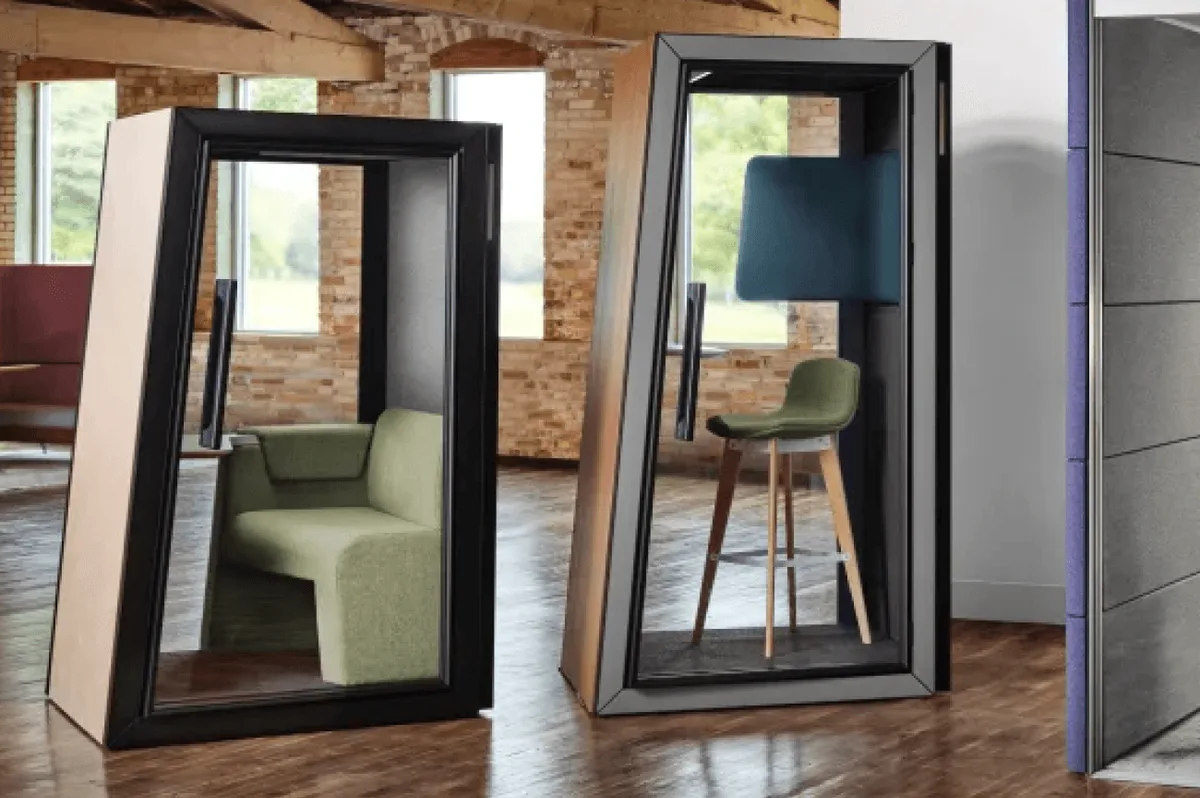
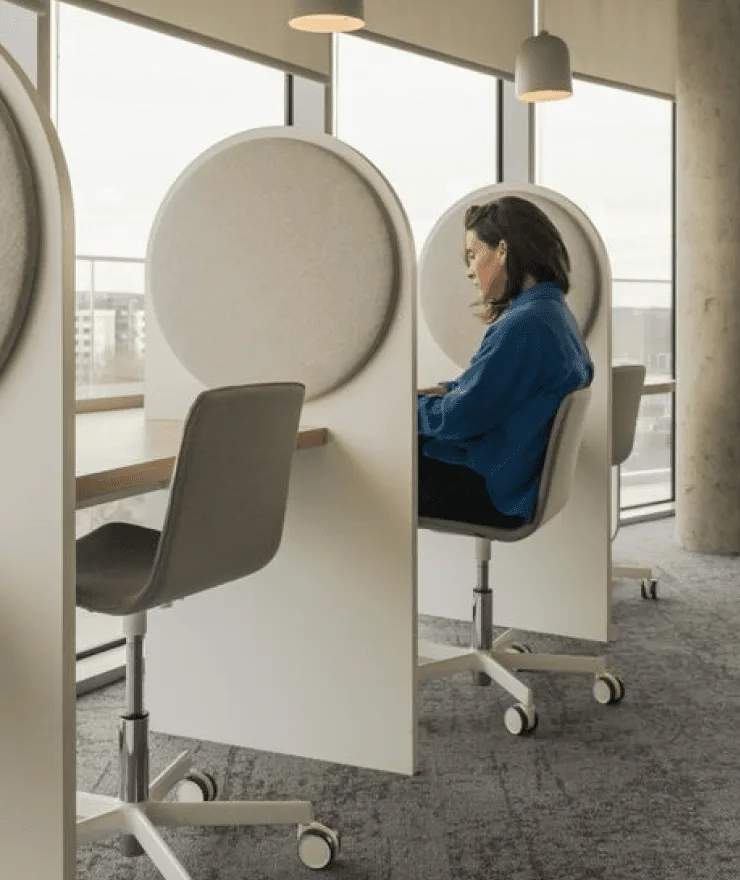
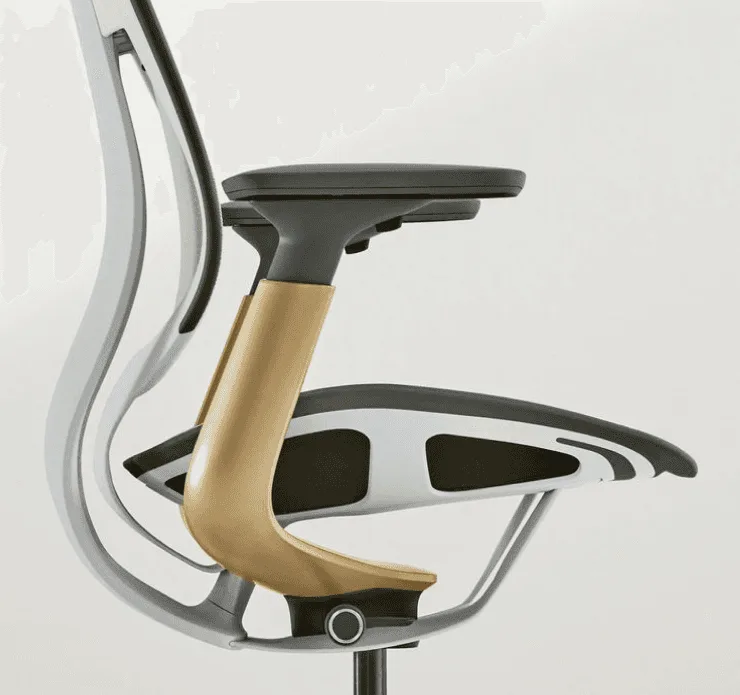
Contemporary offices already solve this with ergonomic seating, spatial separation and a sense of privacy.
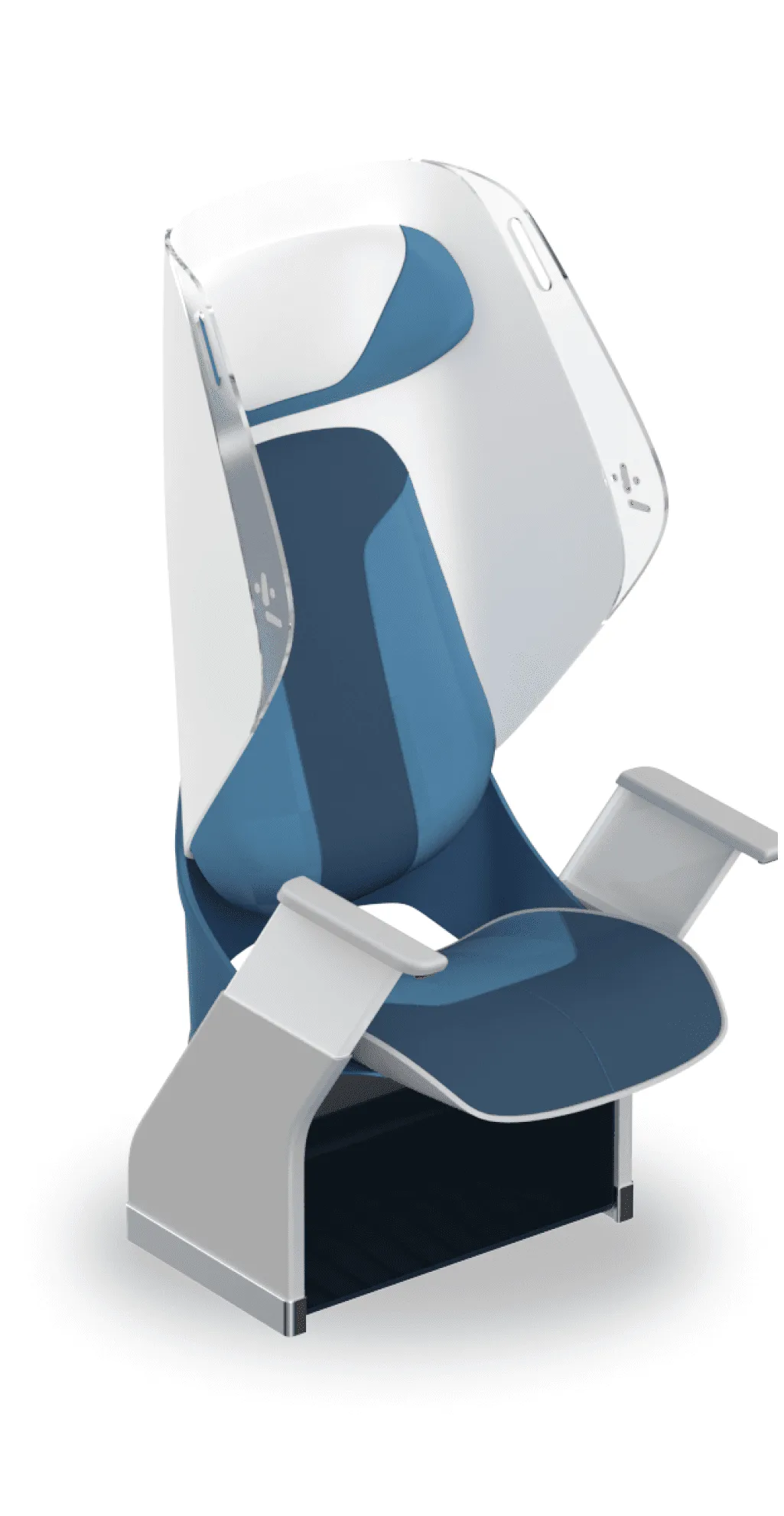
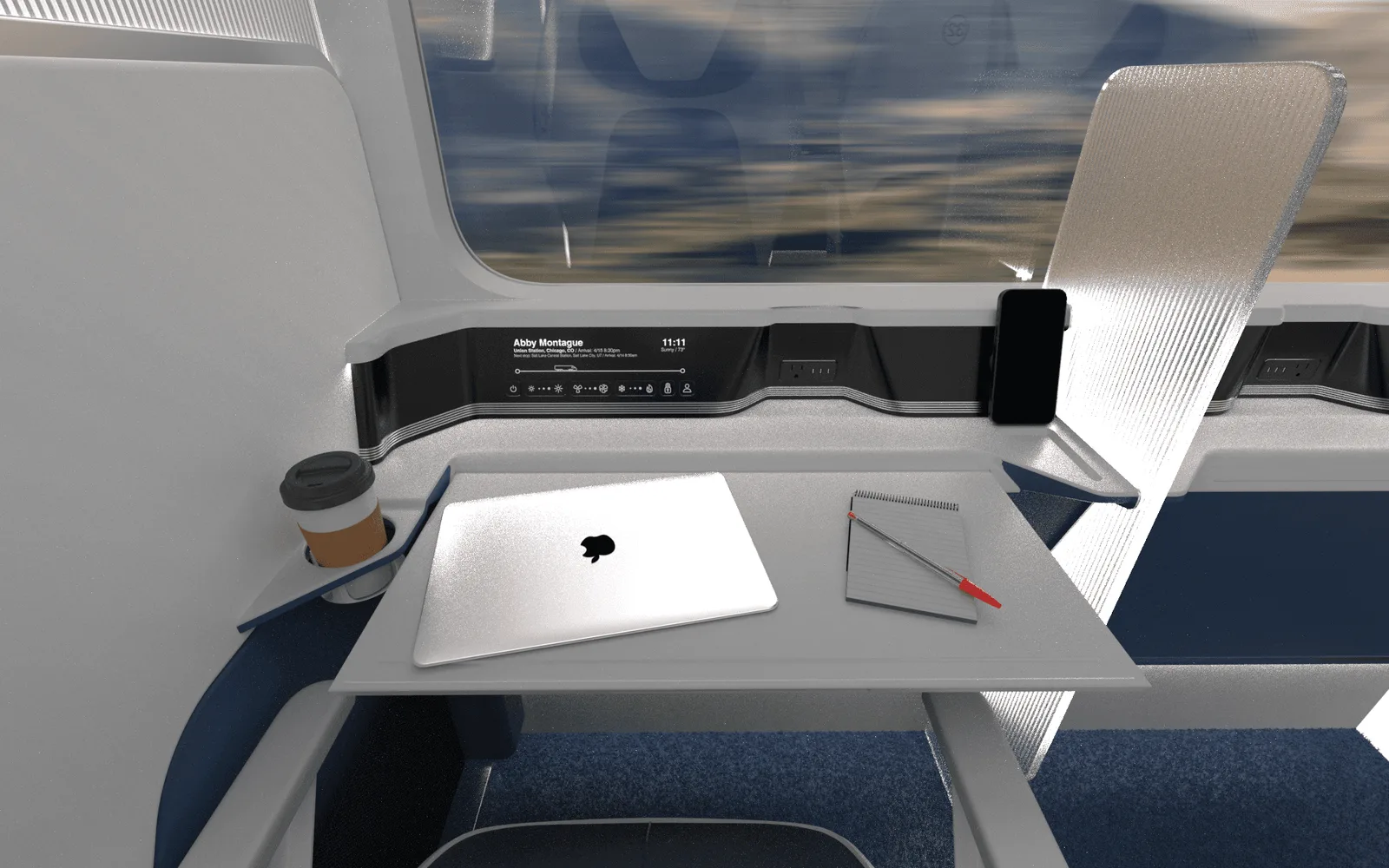
A modular business class with private seats, a large work surface, lockable storage and pathfinding light.
With more people working remotely, how can Amtrak better meet their needs?
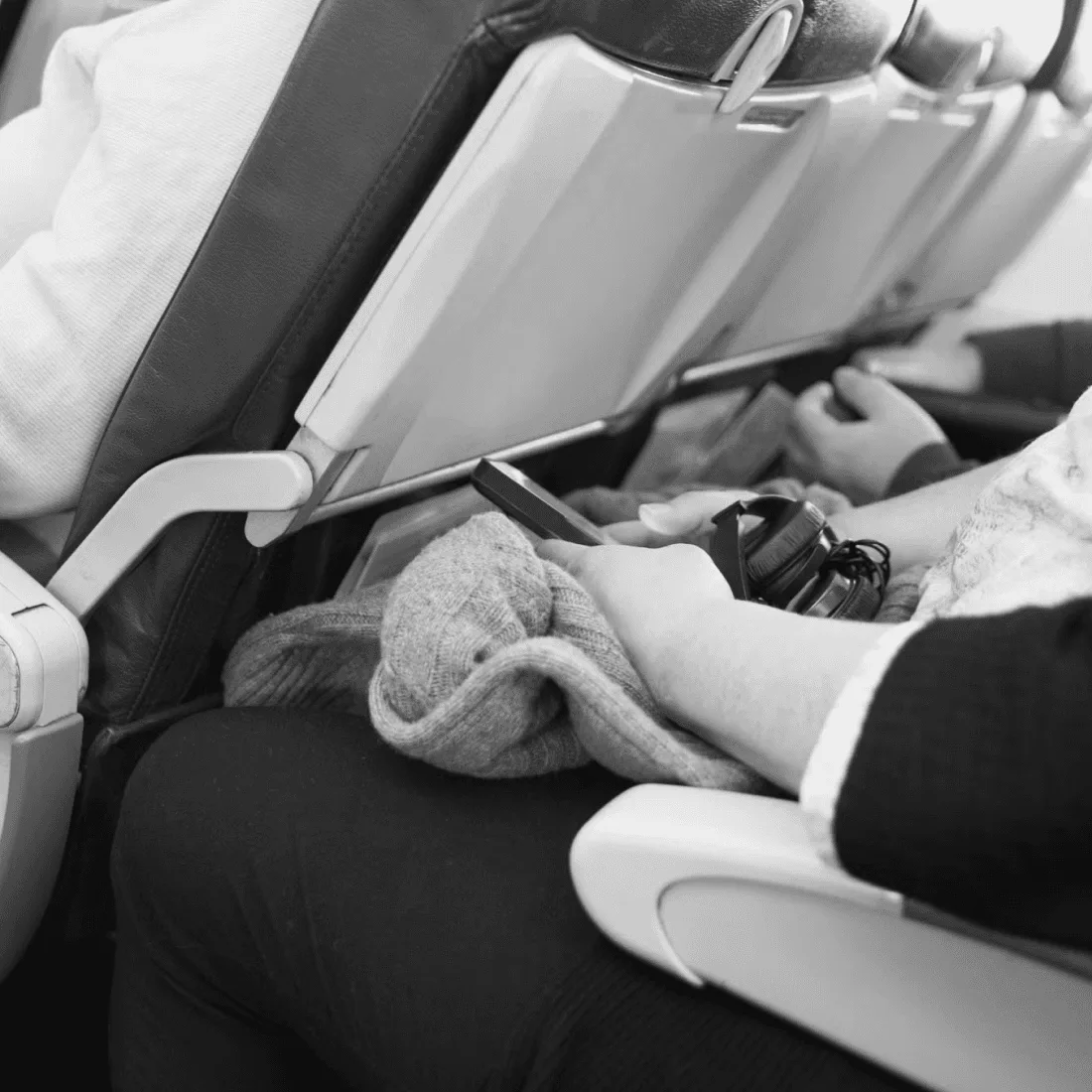
By the end of 2024 there were 35.5 million hybrid or remote workers in the US, and Amtrak is seeing record ridership, growing about 5% a year. Our traveler, Abby, 32, lives in Sacramento and works for a company in Chicago, traveling for in-person conferences. In today's business class she lacks accommodations and struggles to have her own space.

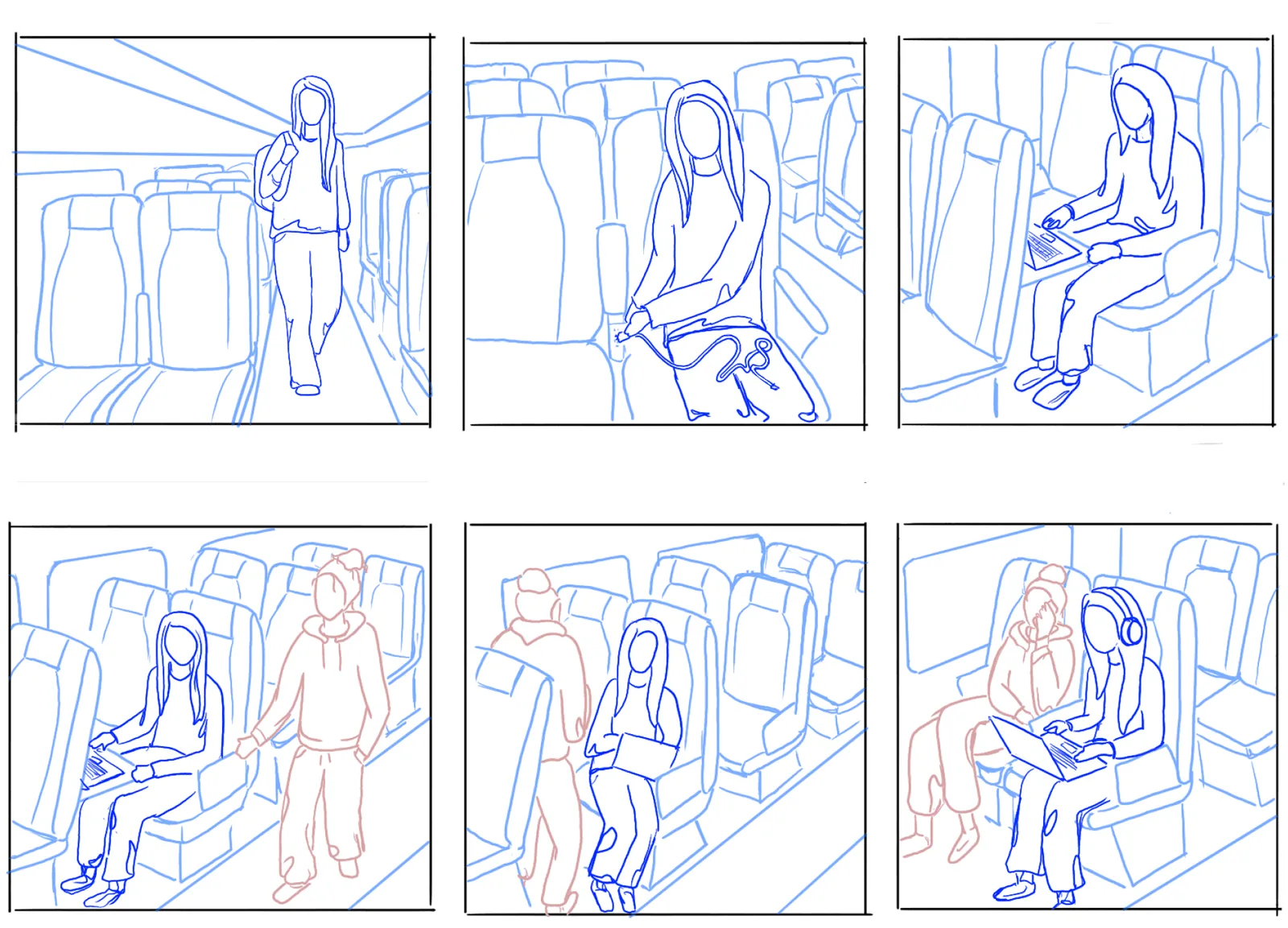
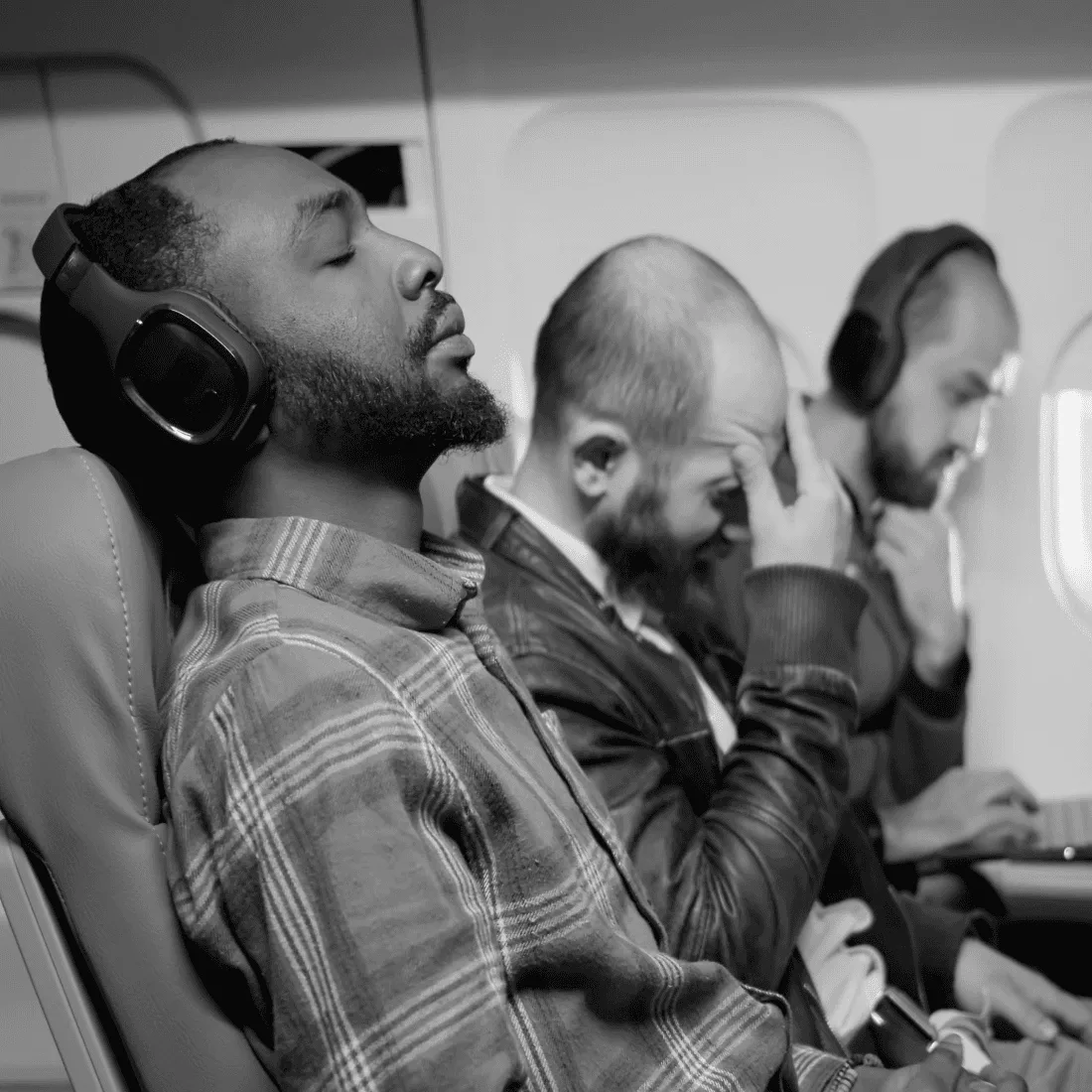
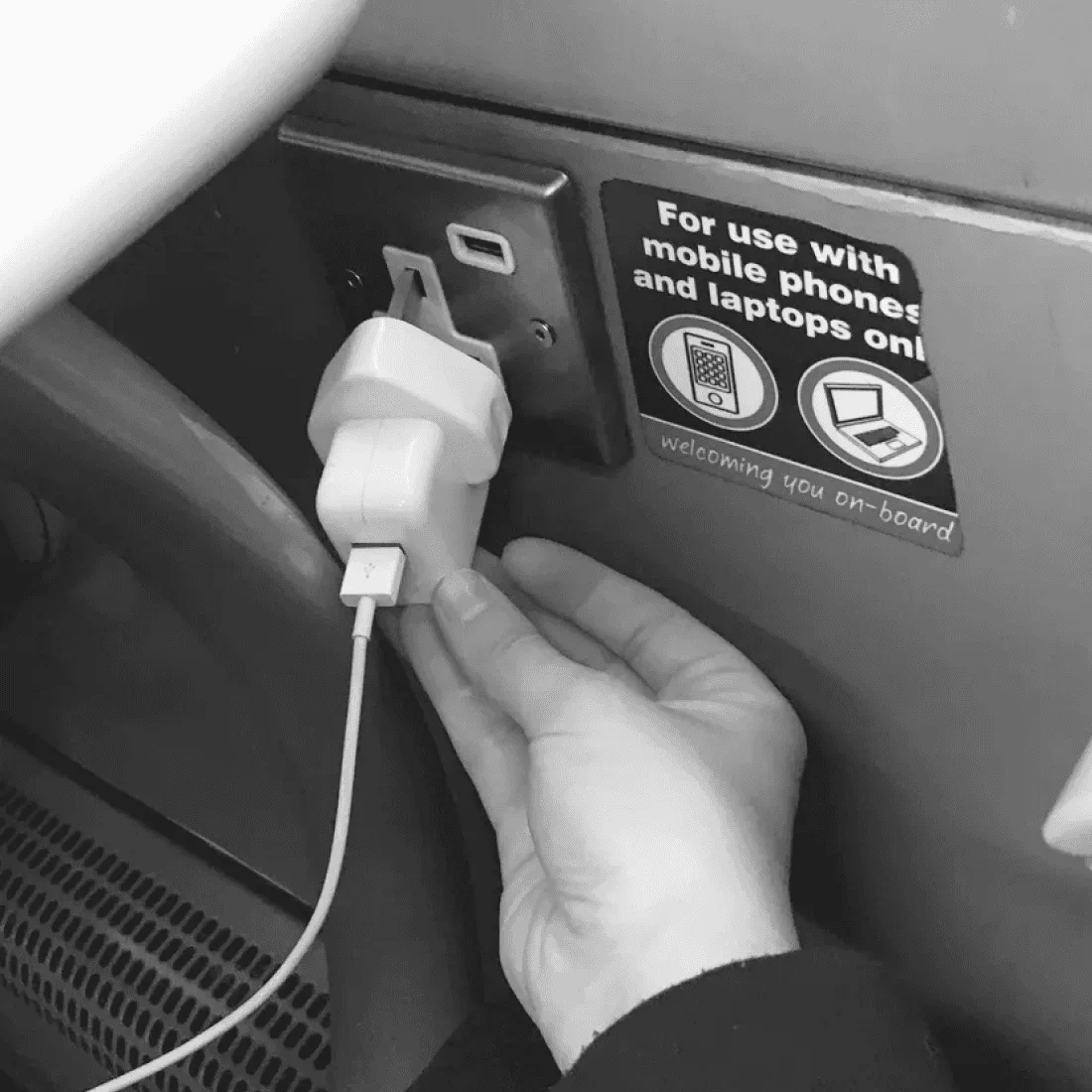
Seat 50–70% of coach
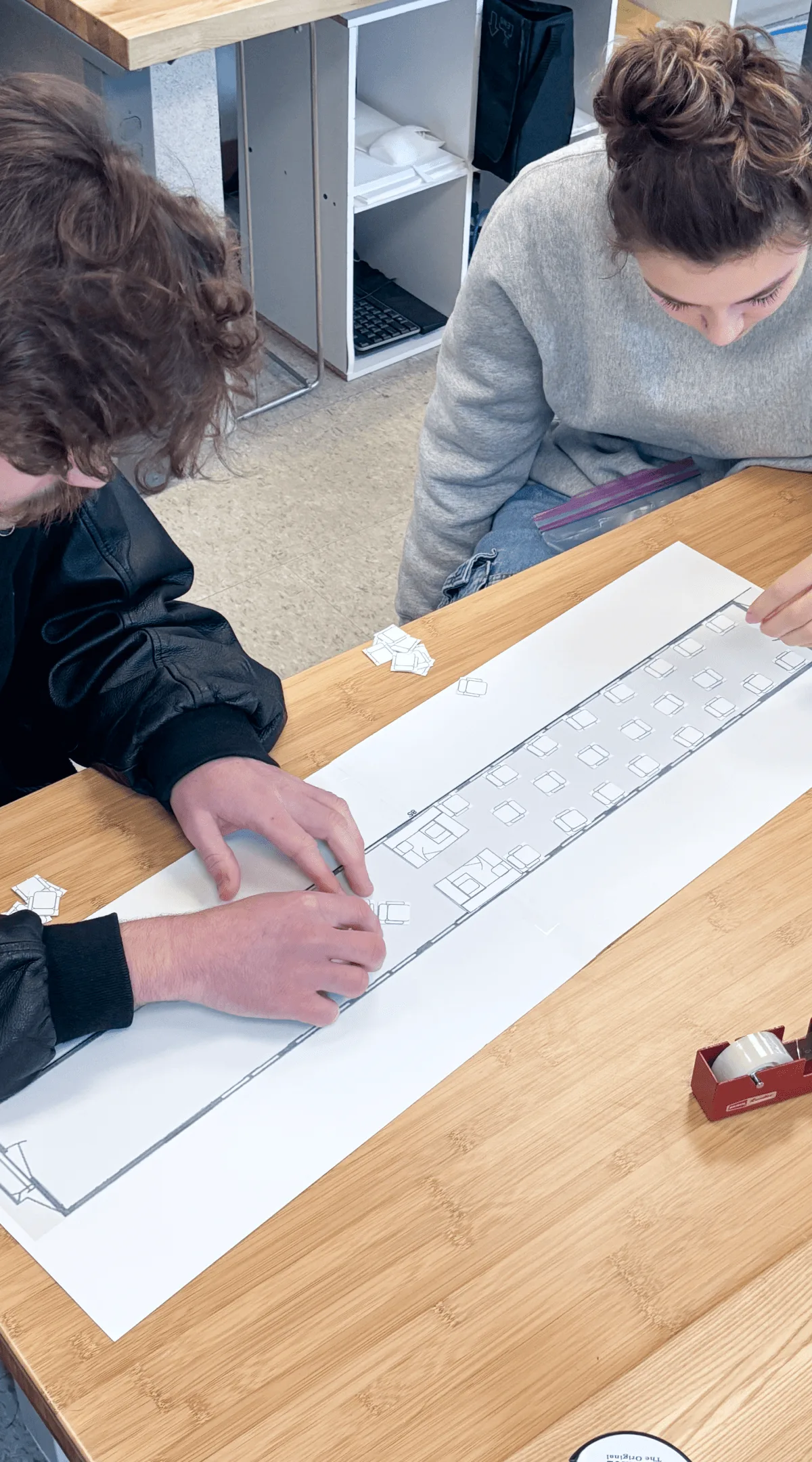
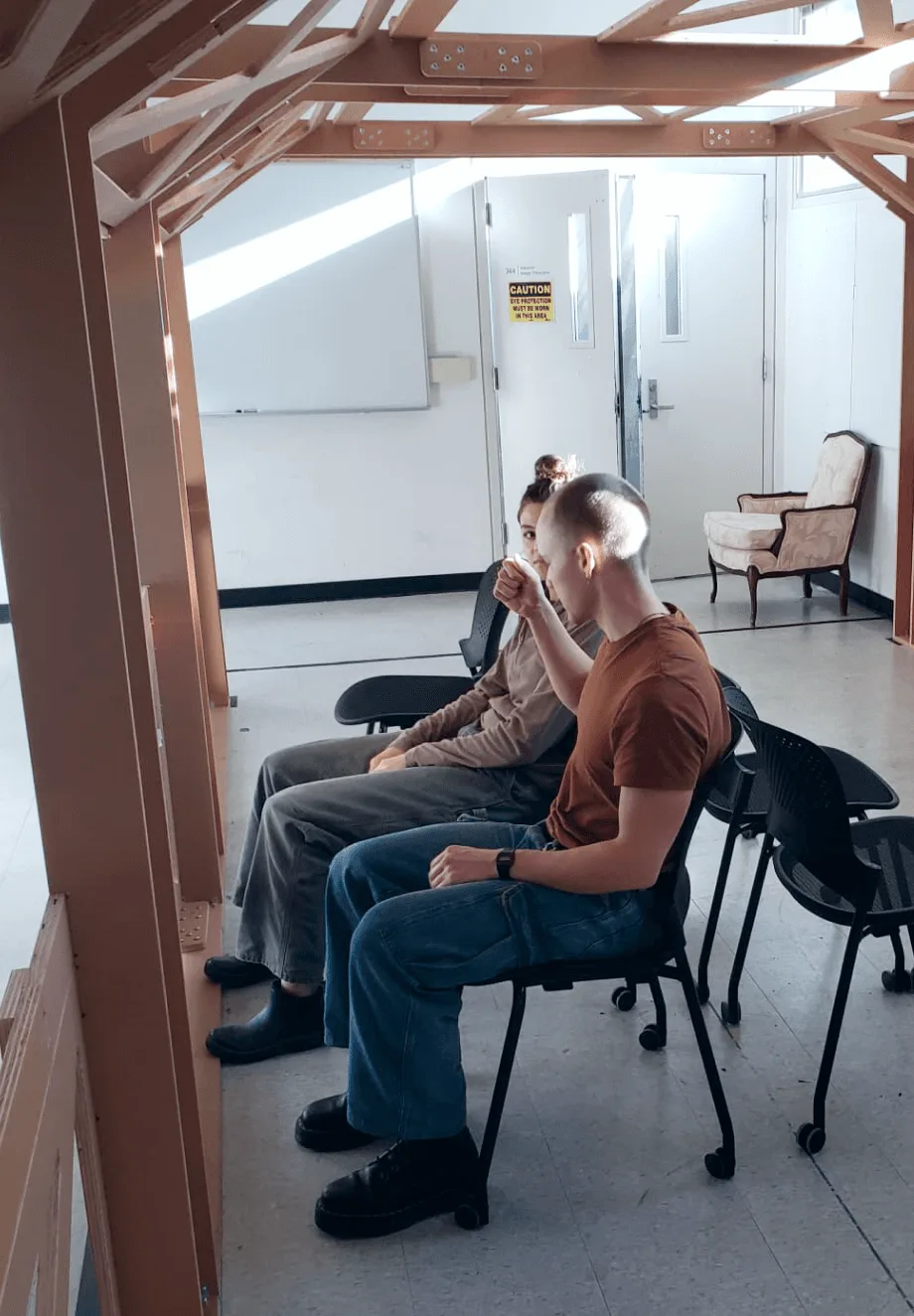
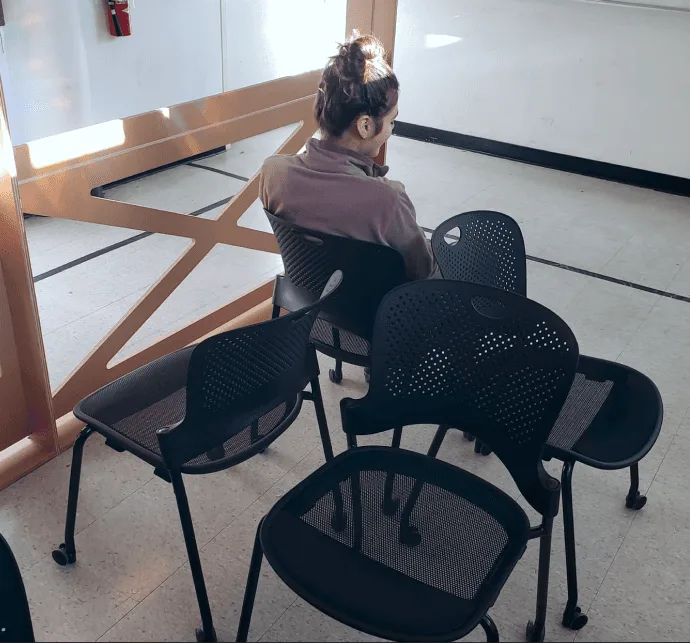
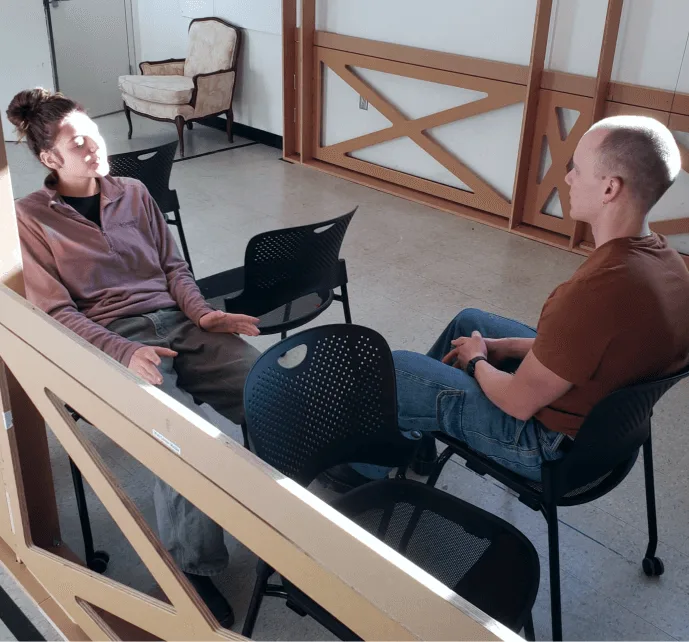
We drew layouts of passenger accommodations at full car length, then sat in them to test the spacing.



 Chosen direction
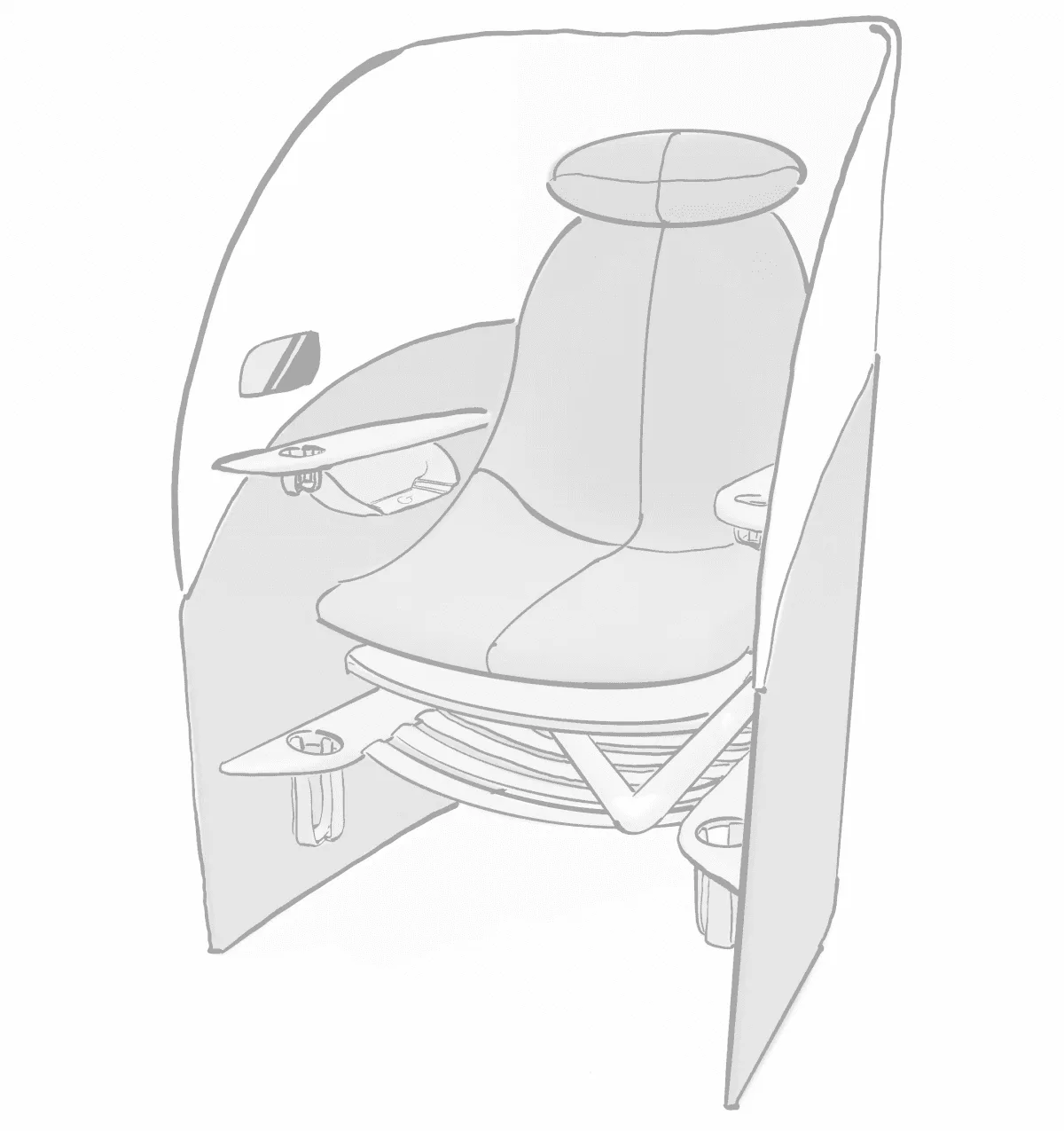
Privacy means private pods, and far fewer seats per car.
Ticket pricing only stays coherent if business class seats 50–70% of a coach car.
Define the layout first, balancing maximum occupancy with privacy, then design the seat to fit it.
[e.g. less personal space than a pod.]
Validate space with full-scale prototypes
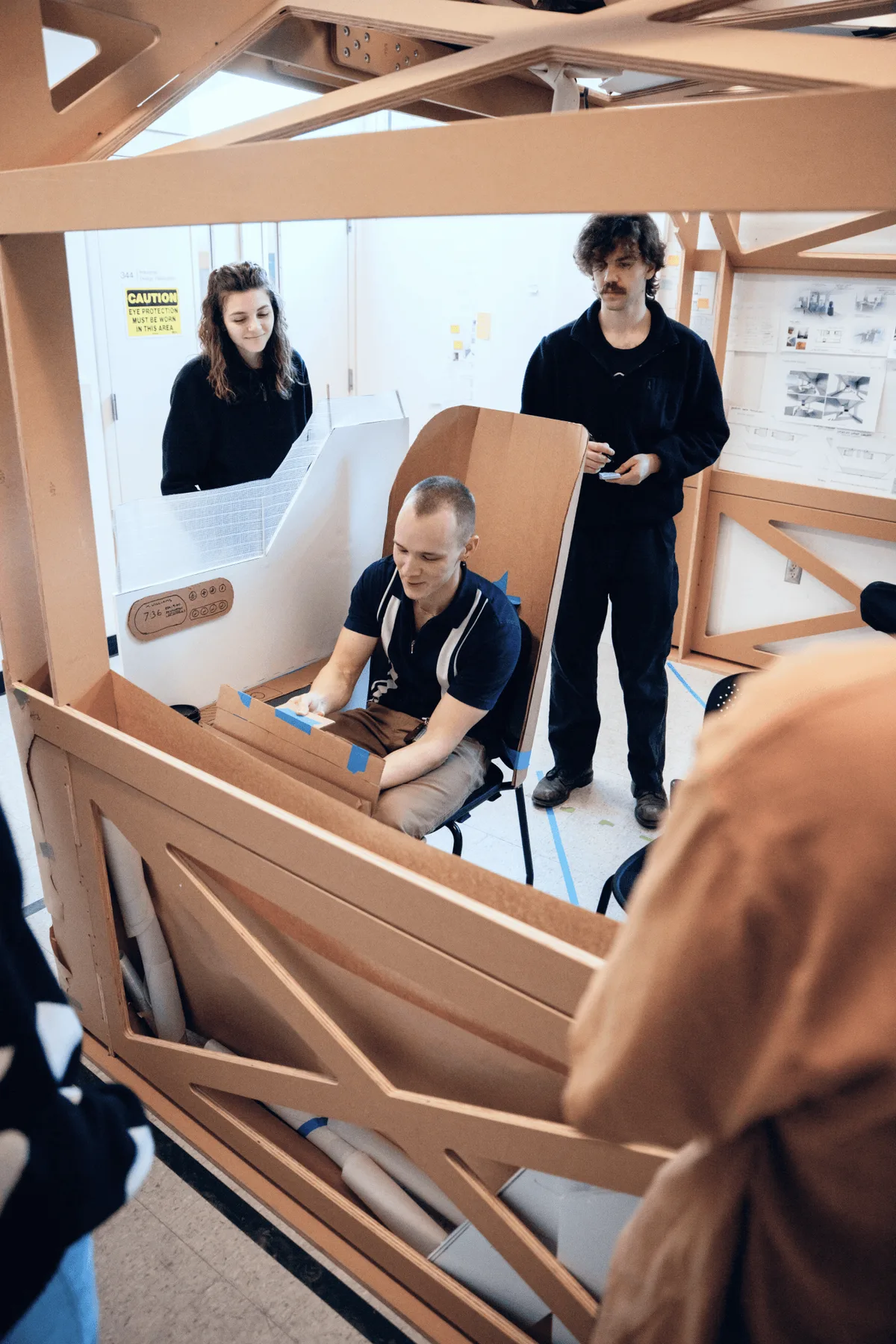
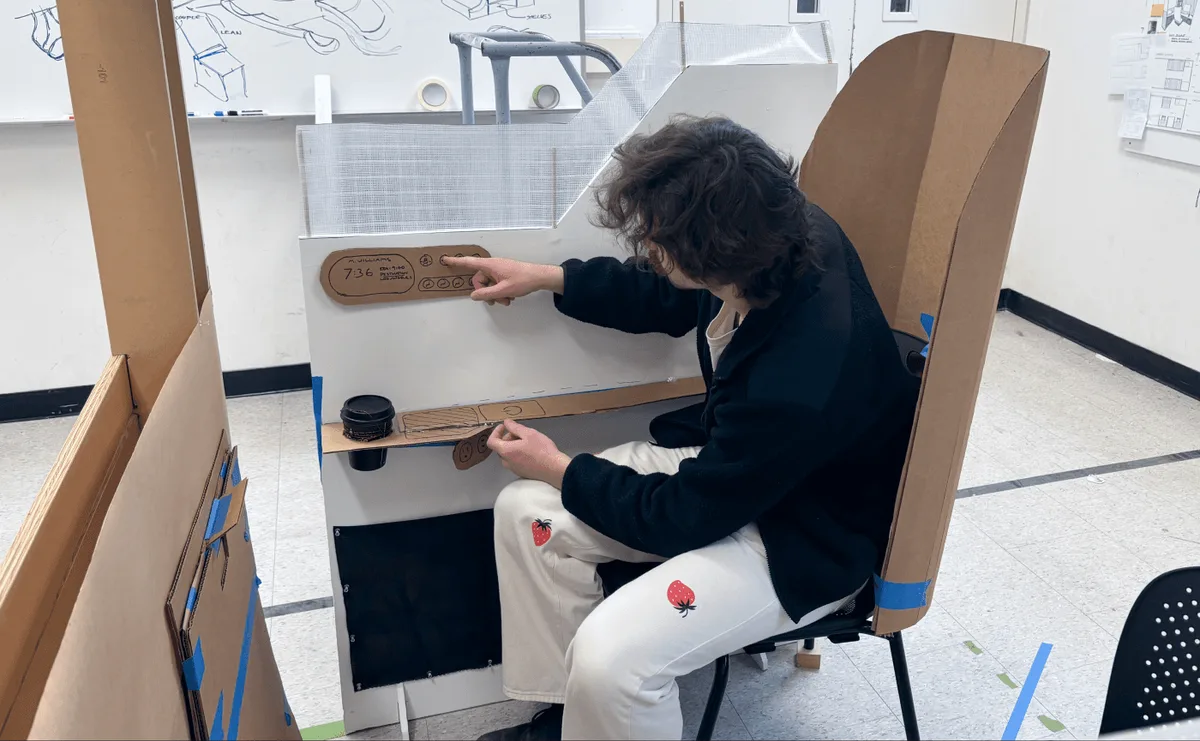
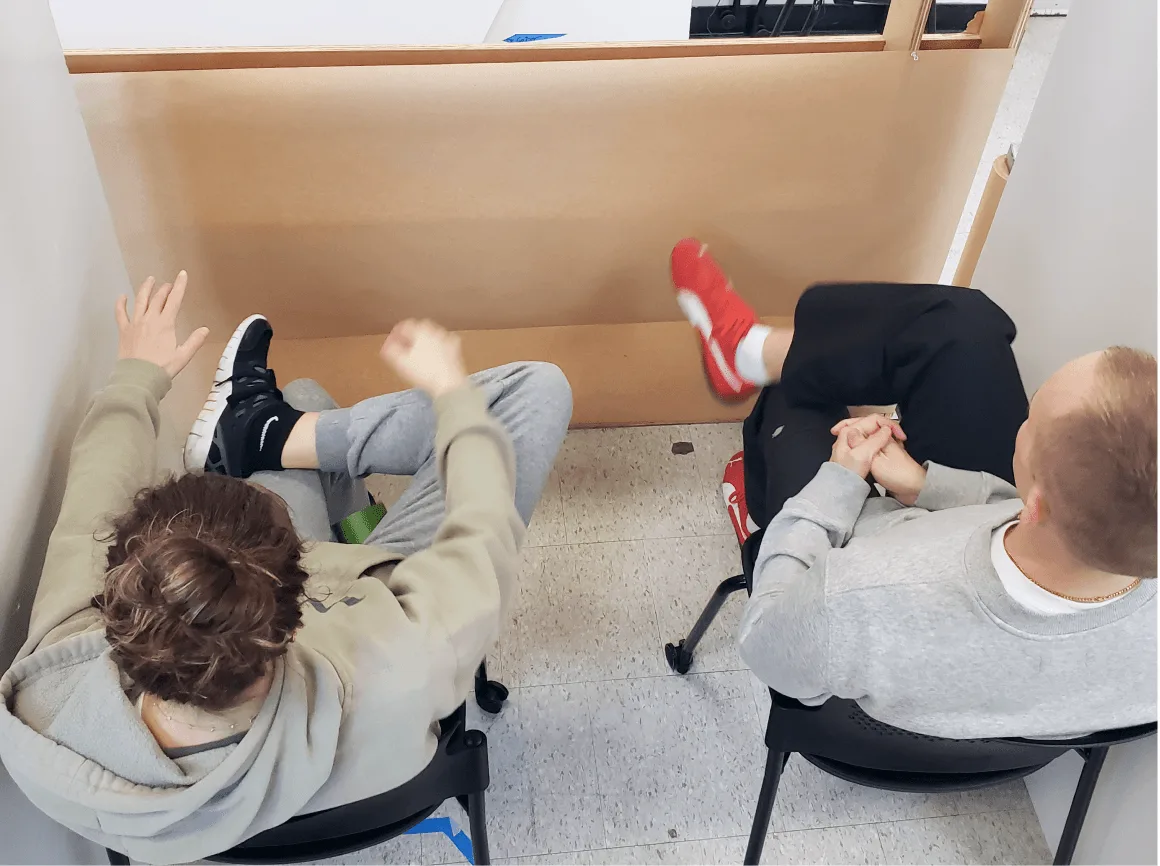
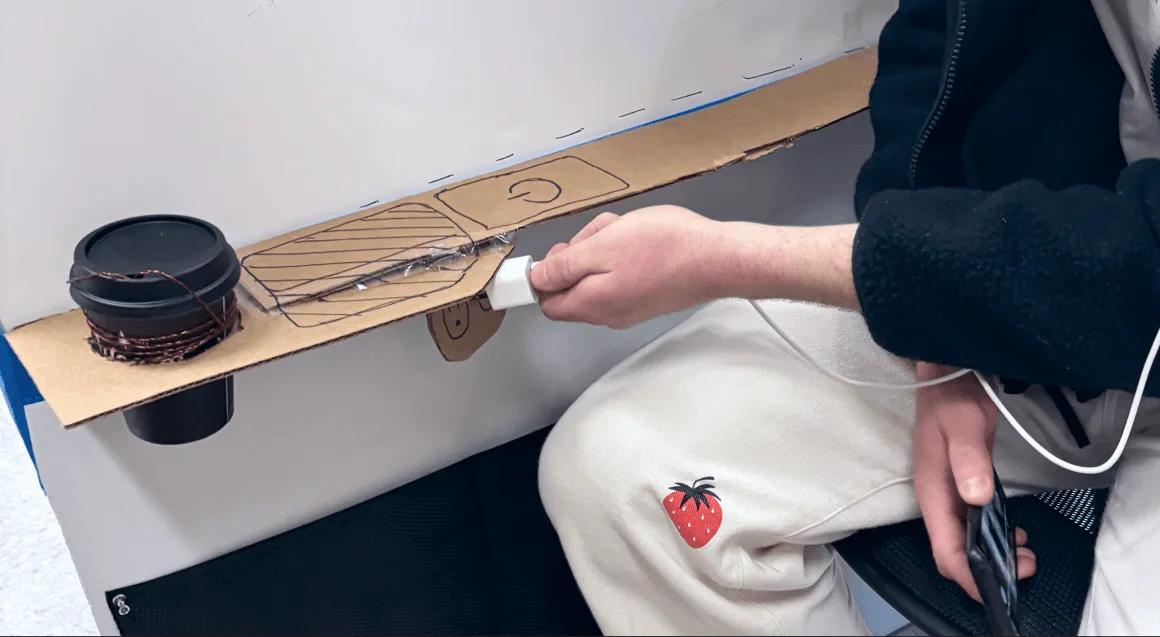
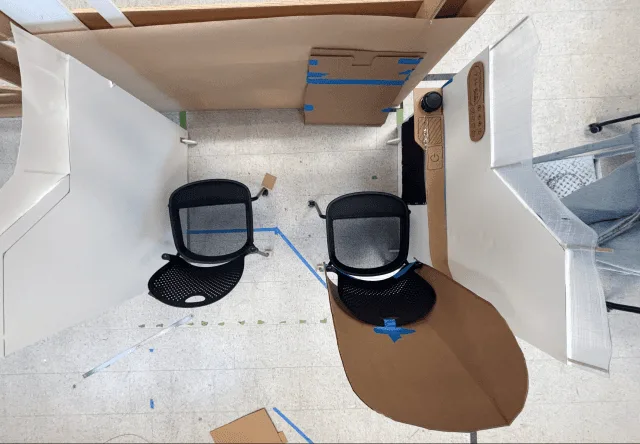
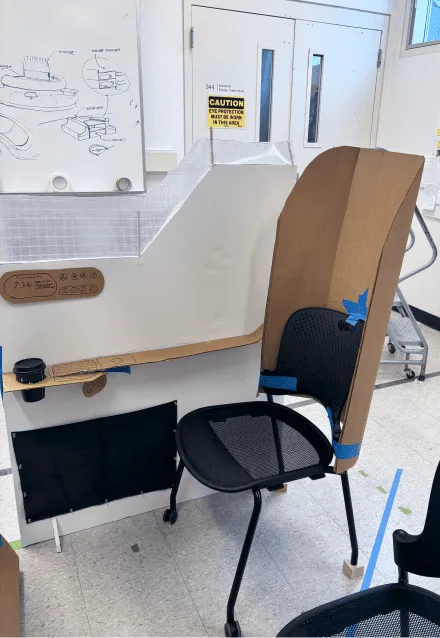
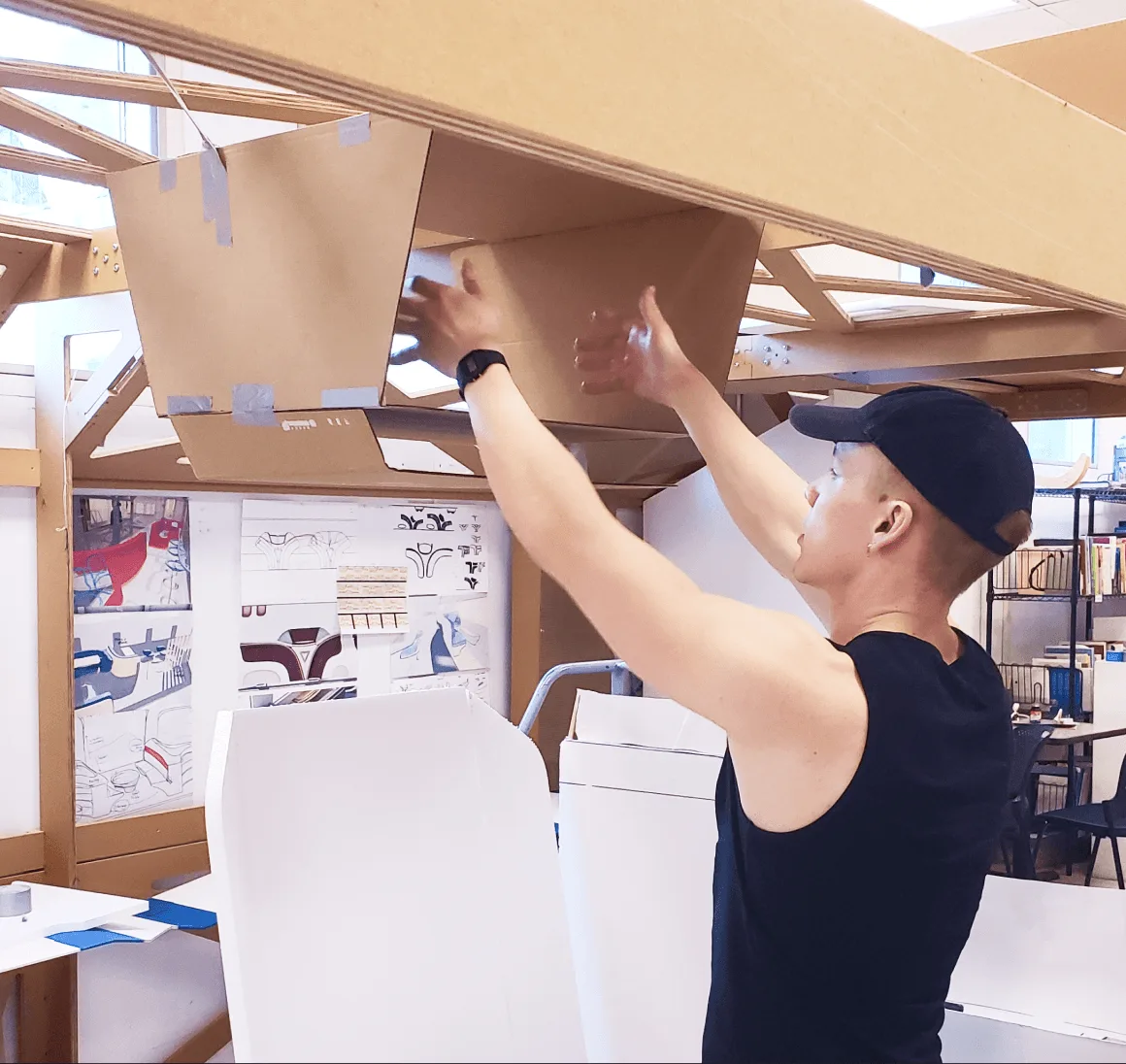
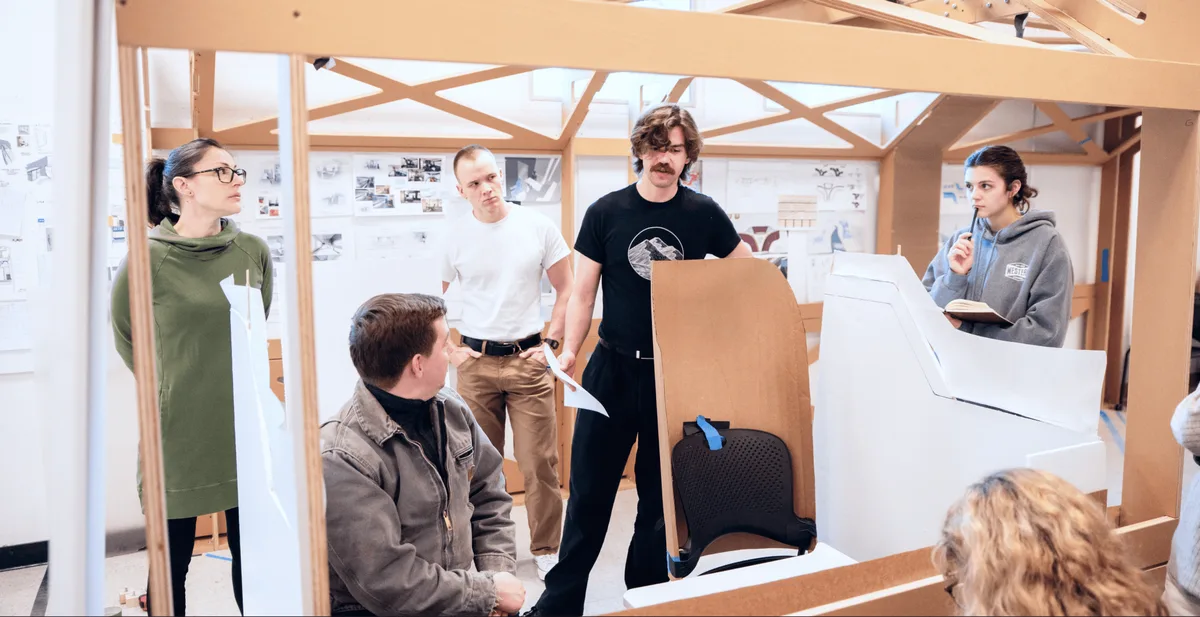
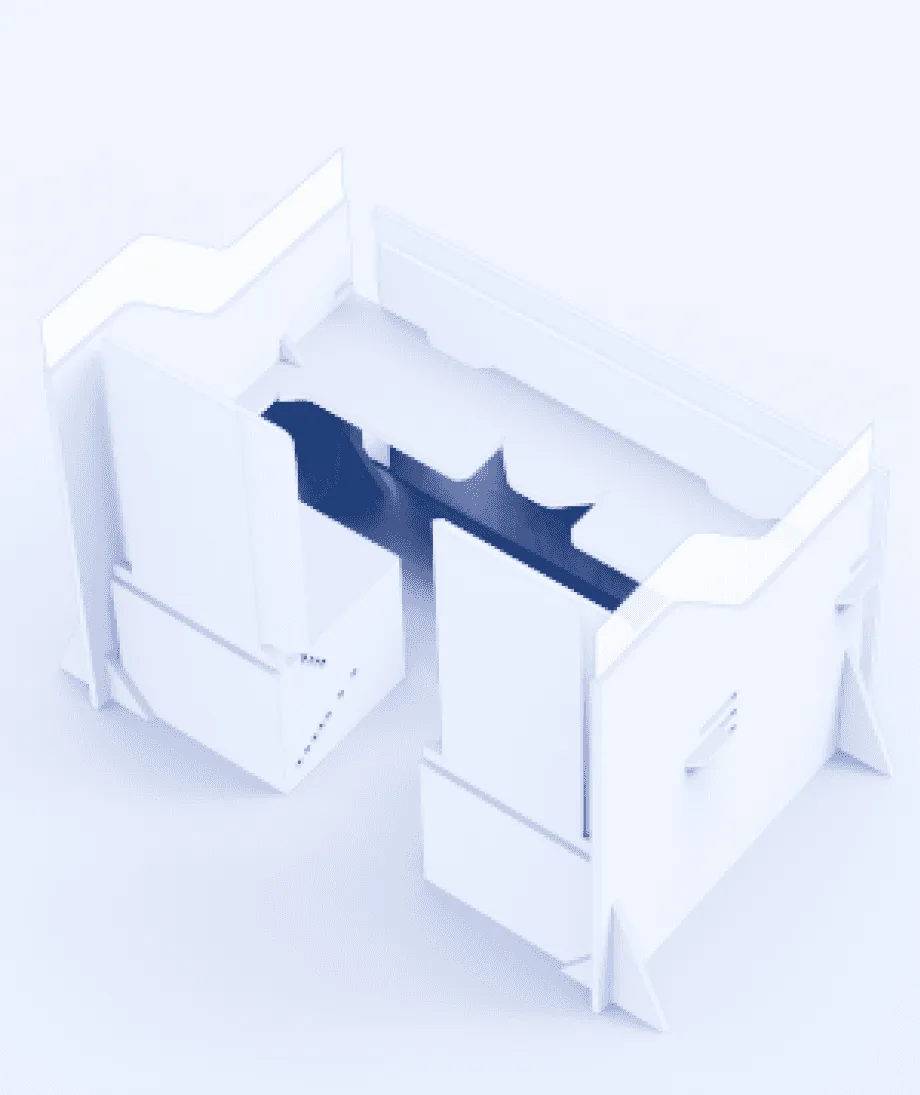
Plans and renders would be enough to judge spatial needs.
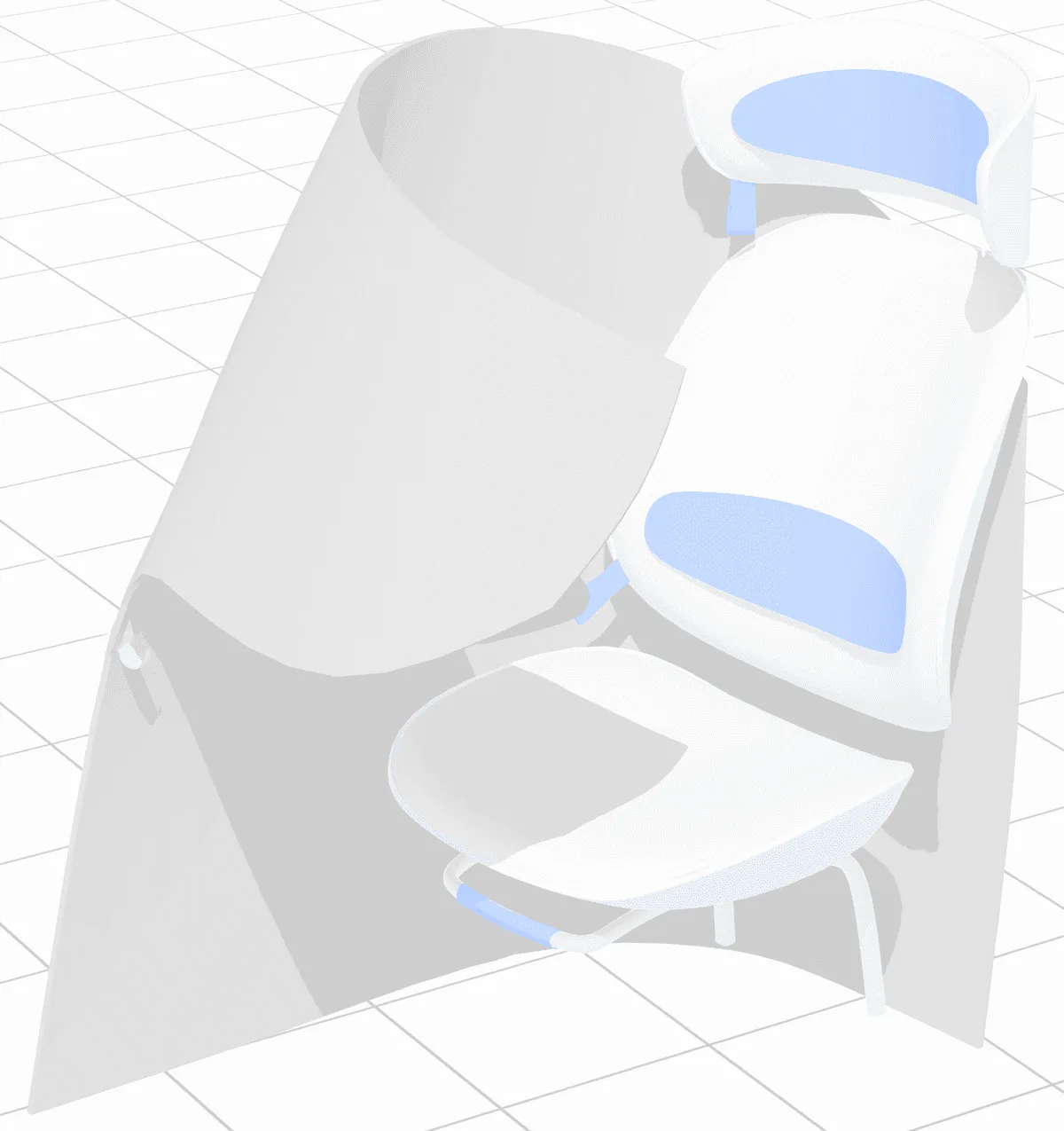
Sitting in quick cardboard mockups exposed reach, privacy and work-surface issues.
Validate every spatial need at full scale before refining the seat.
[What the mockups couldn't tell you.]
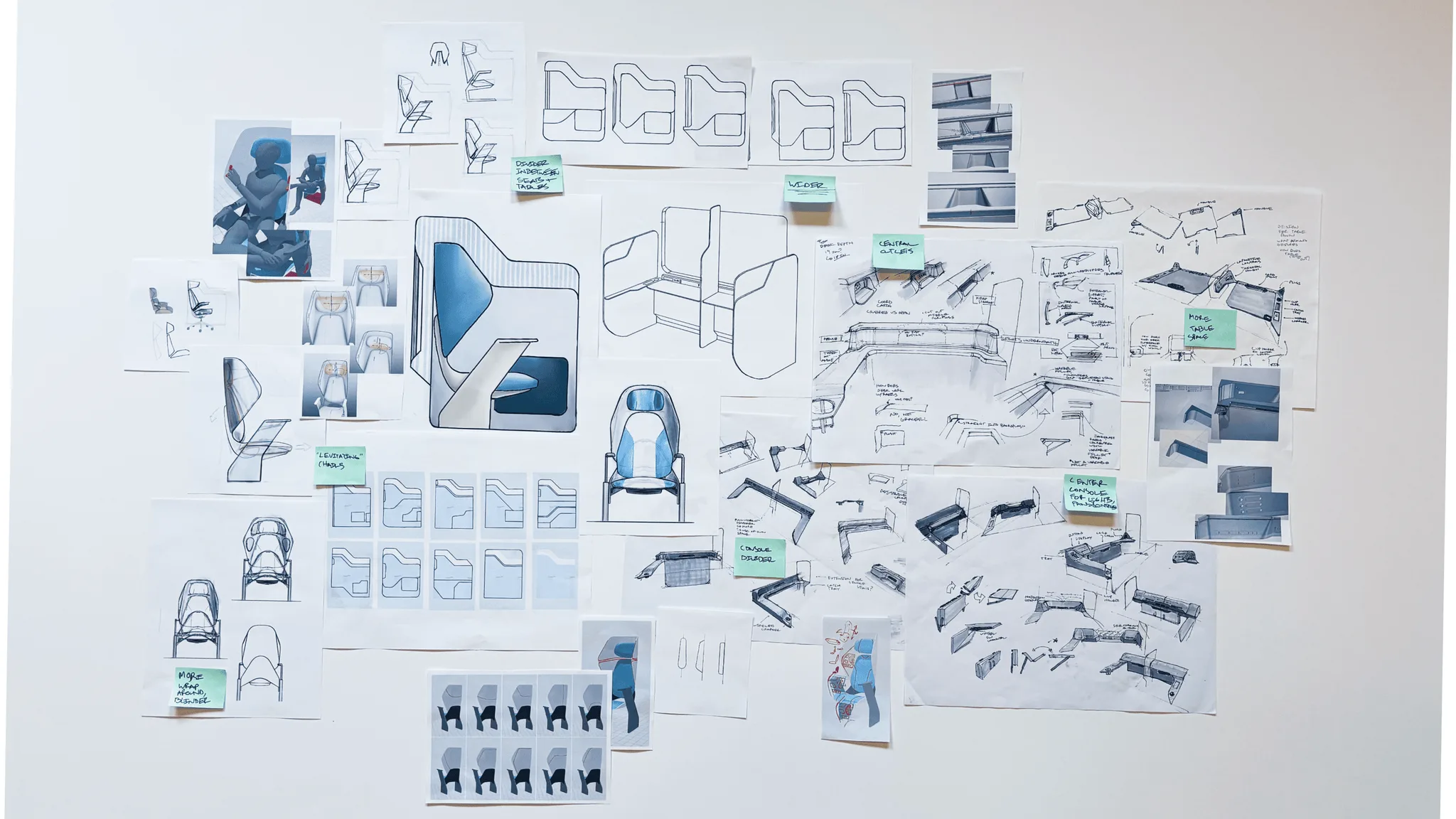
Refining the seat as a system
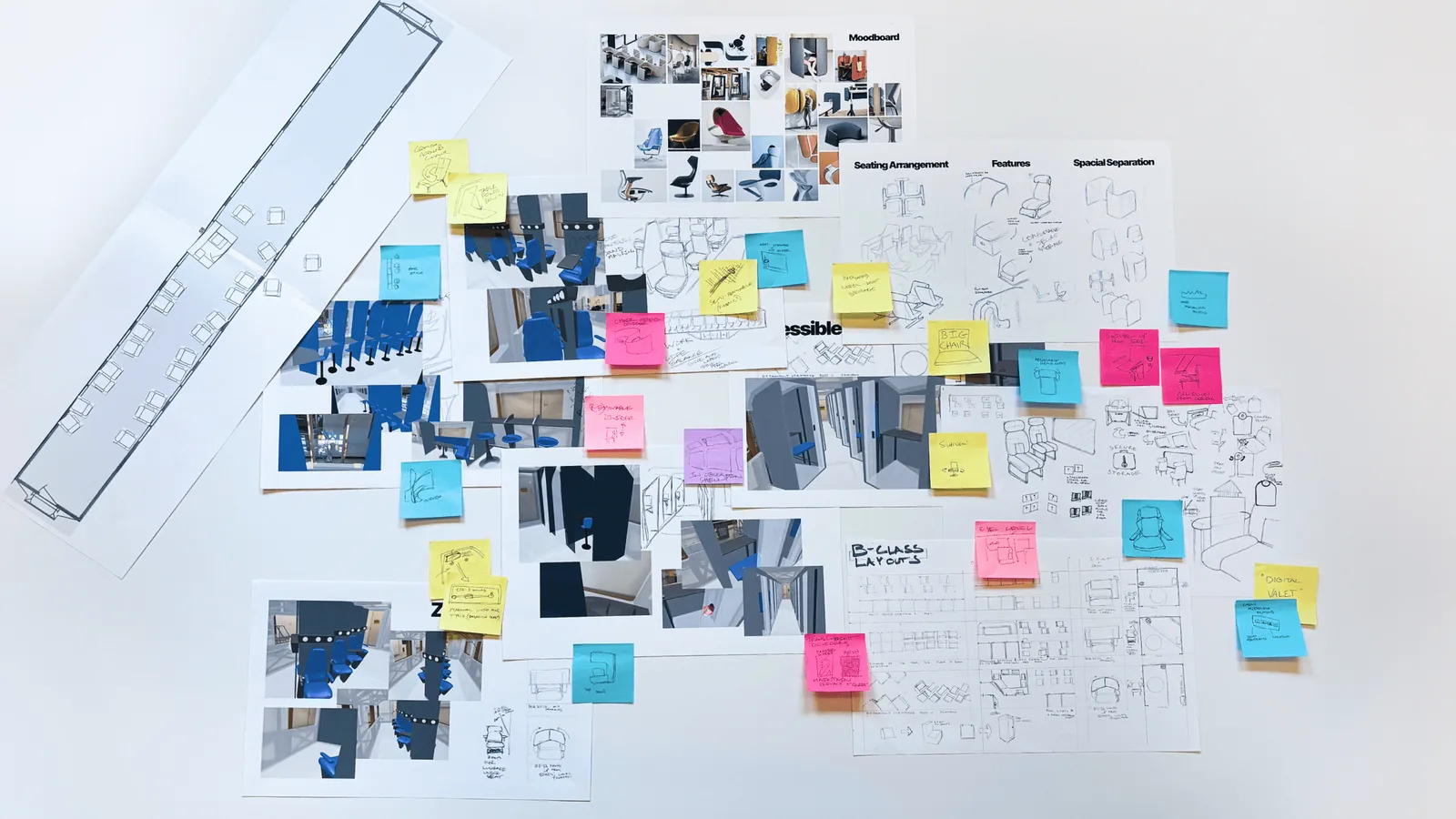
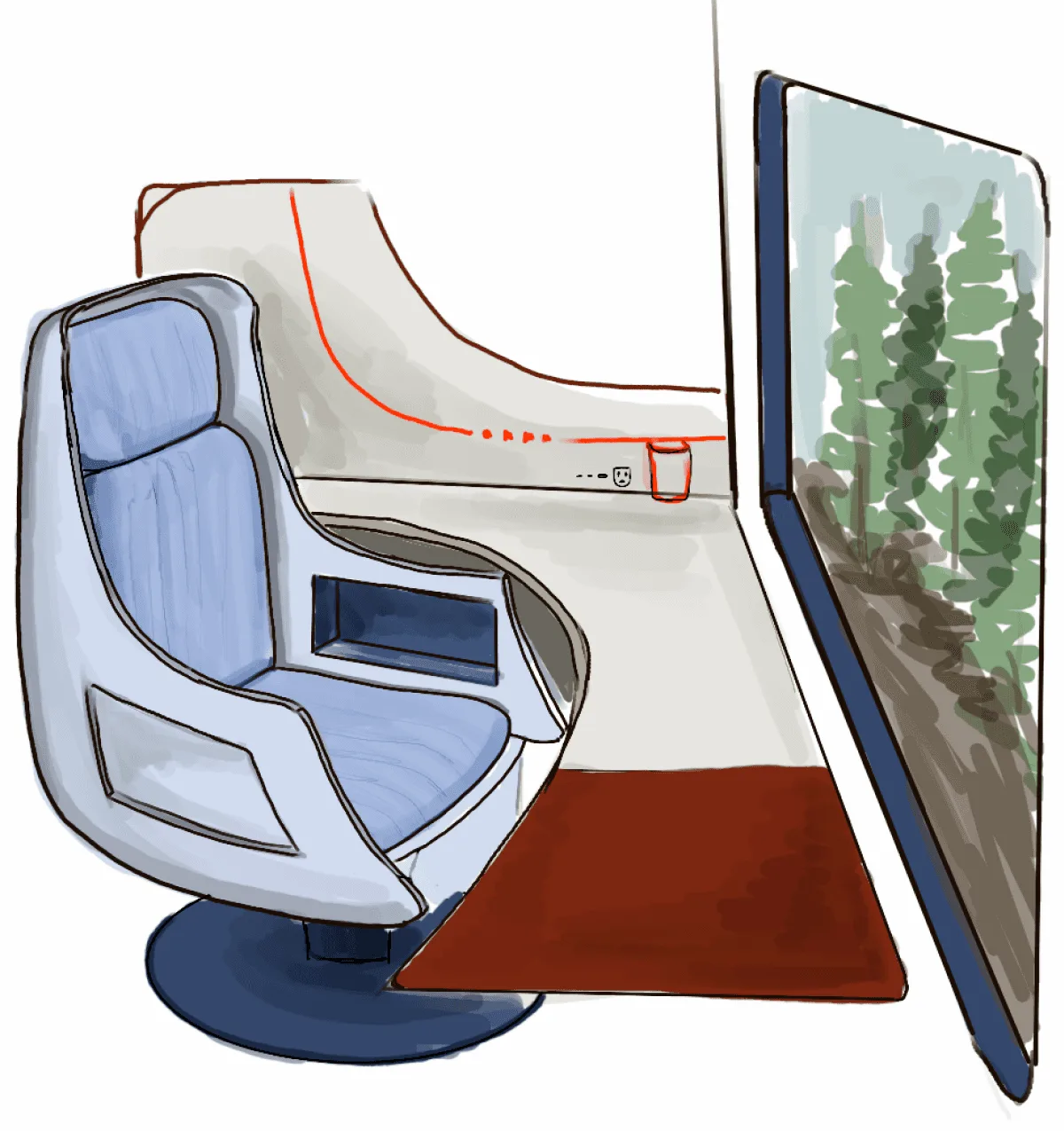
With the layout and spatial needs set, we pinned up sketches, renders and prototype photos side by side to refine the seat, partitions and work surface together.
Modular, not fixed
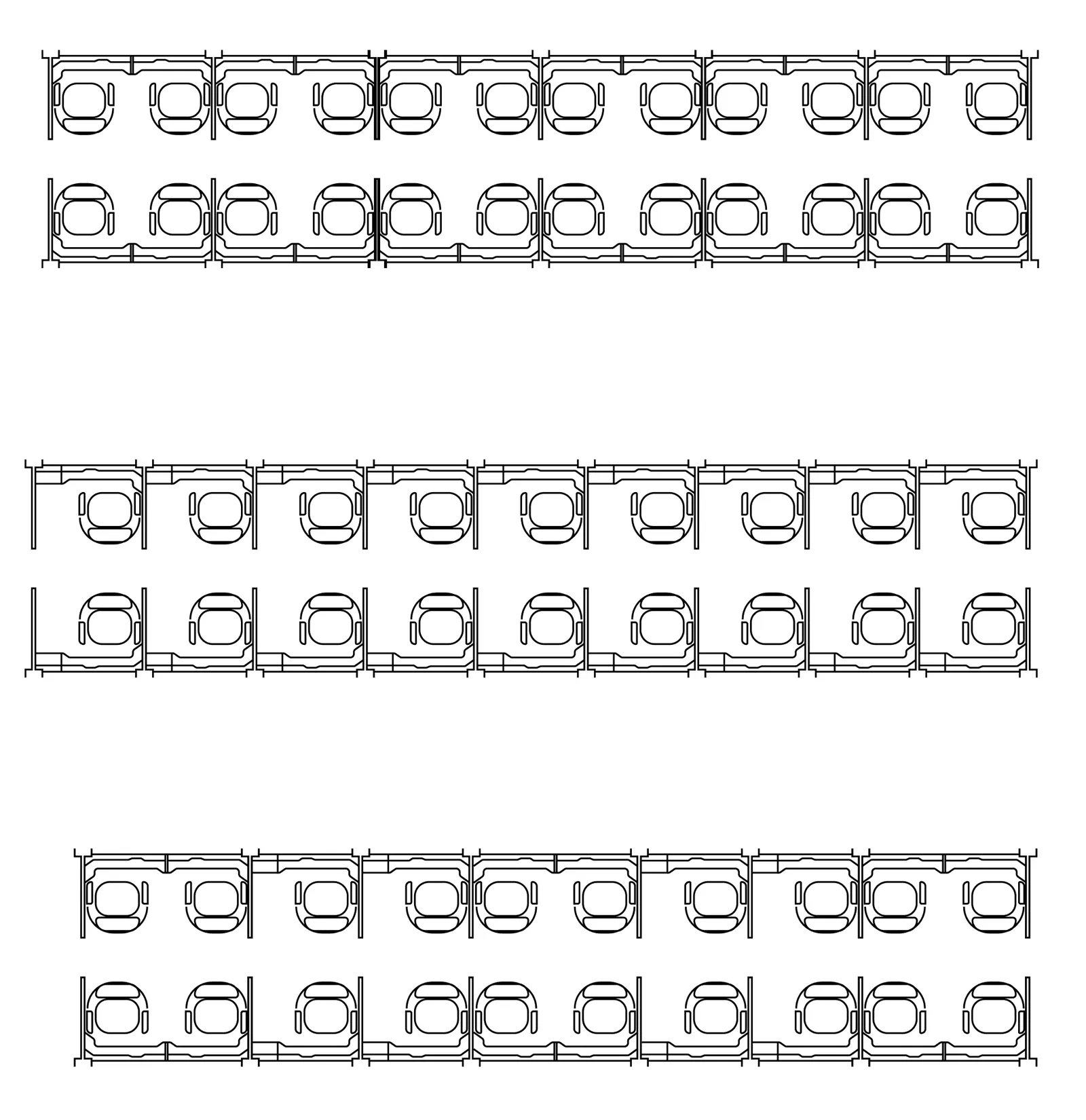
- DoublesPairs traveling together
- SinglesSolo workers who want privacy
- MixedBoth in one car
One seating arrangement would serve every rider.
Riders differ: pairs traveling together, solo workers, and mixes of both.
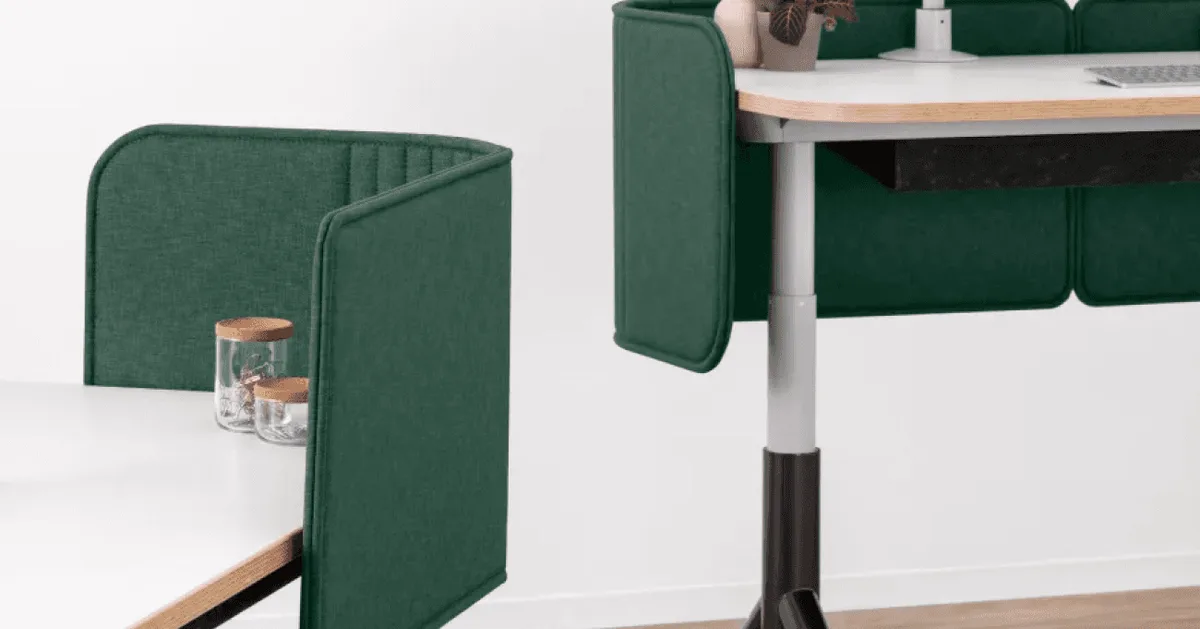
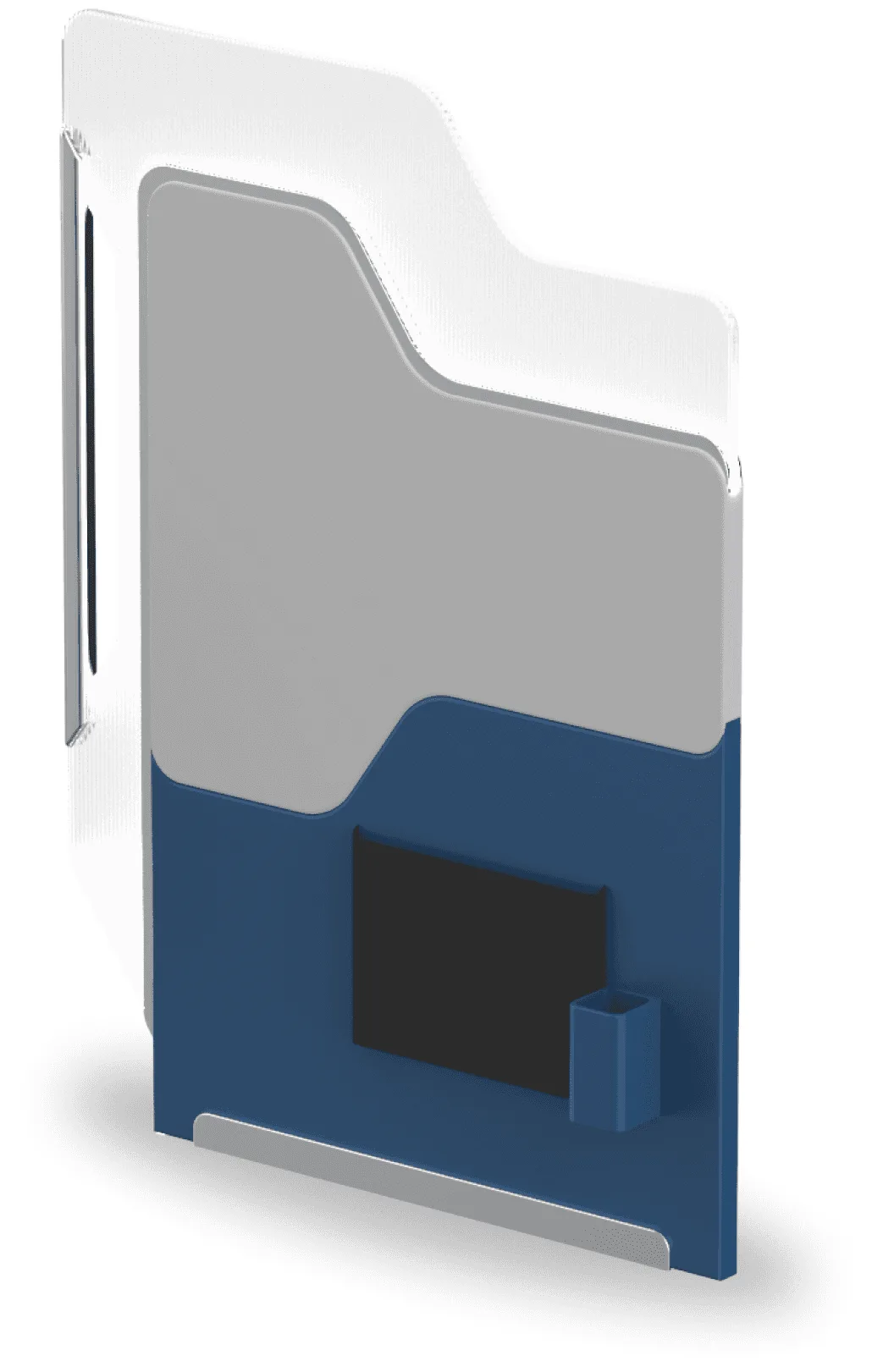
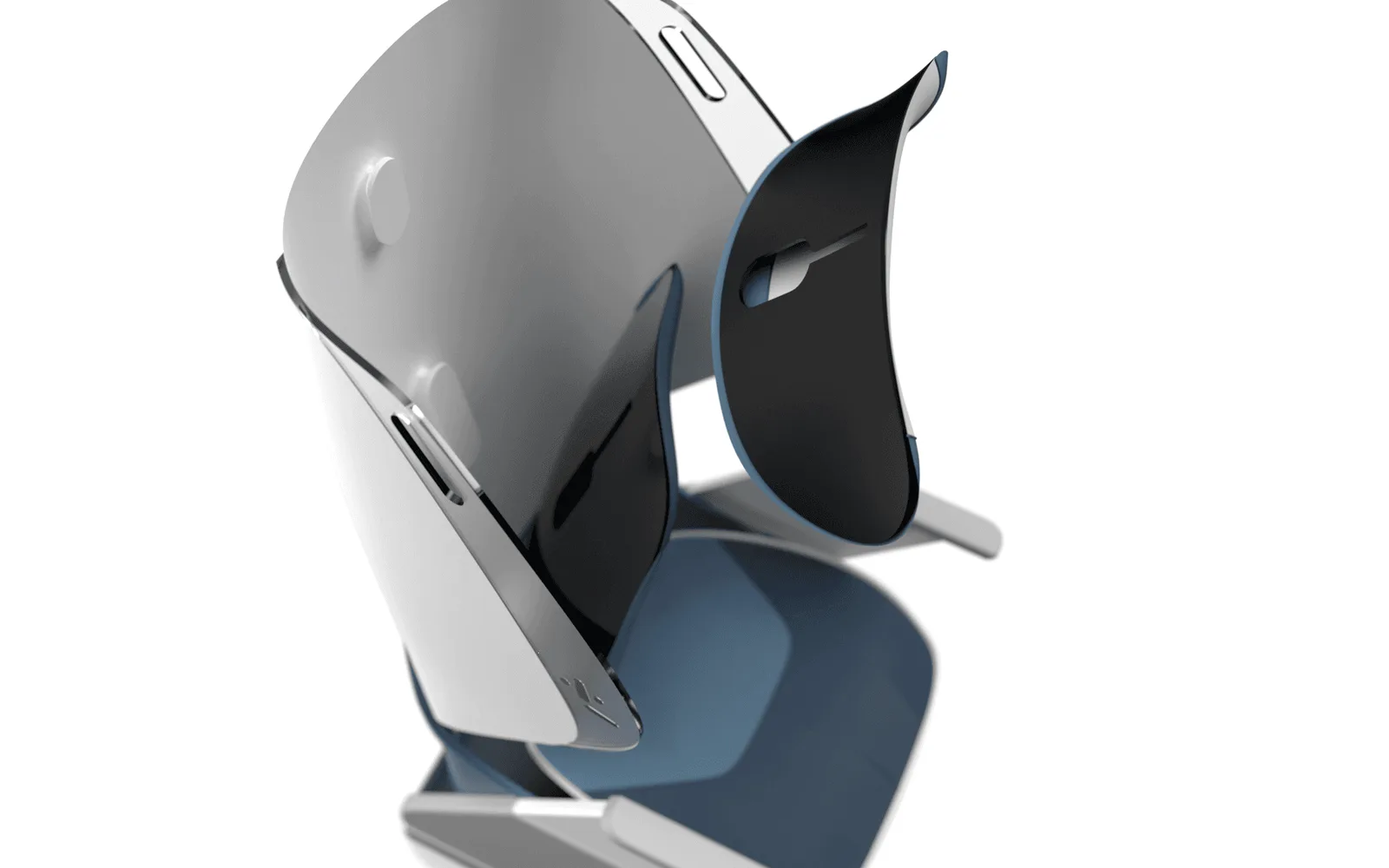
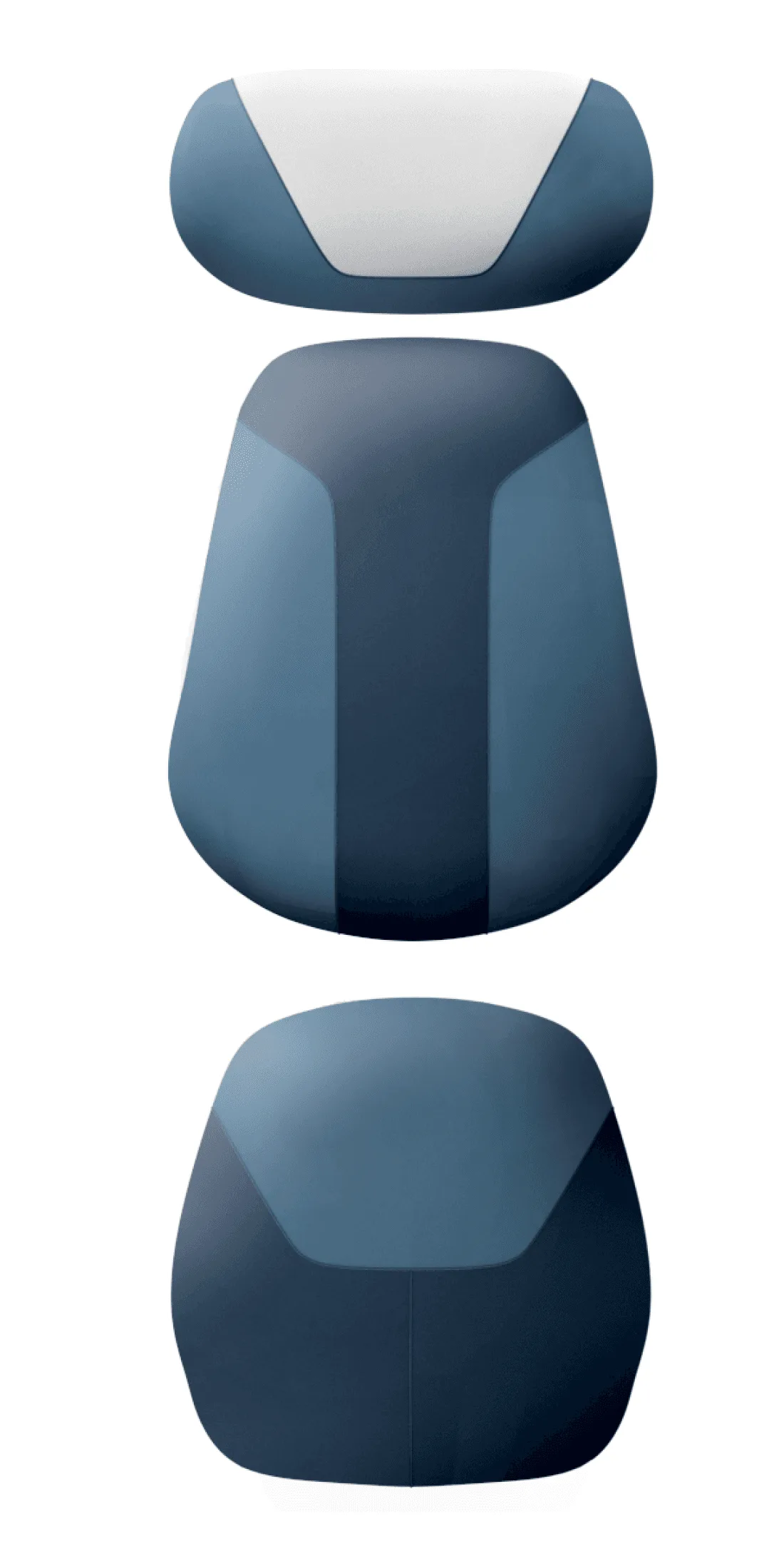
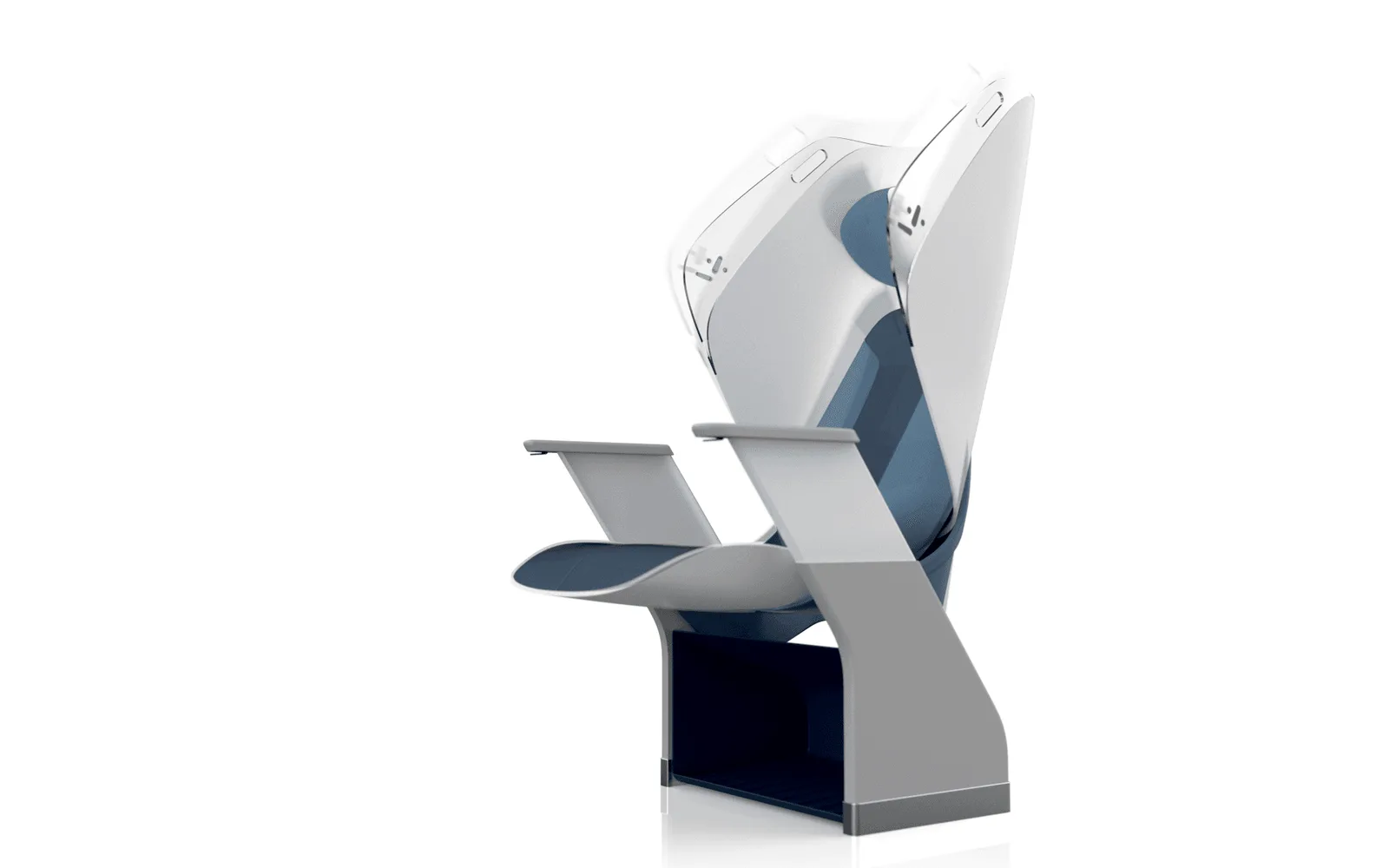
Modular partitions, panels and seats create doubles, singles or mixed layouts that adapt to changing expectations. Upholstery is easily replaced.
[e.g. more parts to maintain.]
Small comforts at every seat
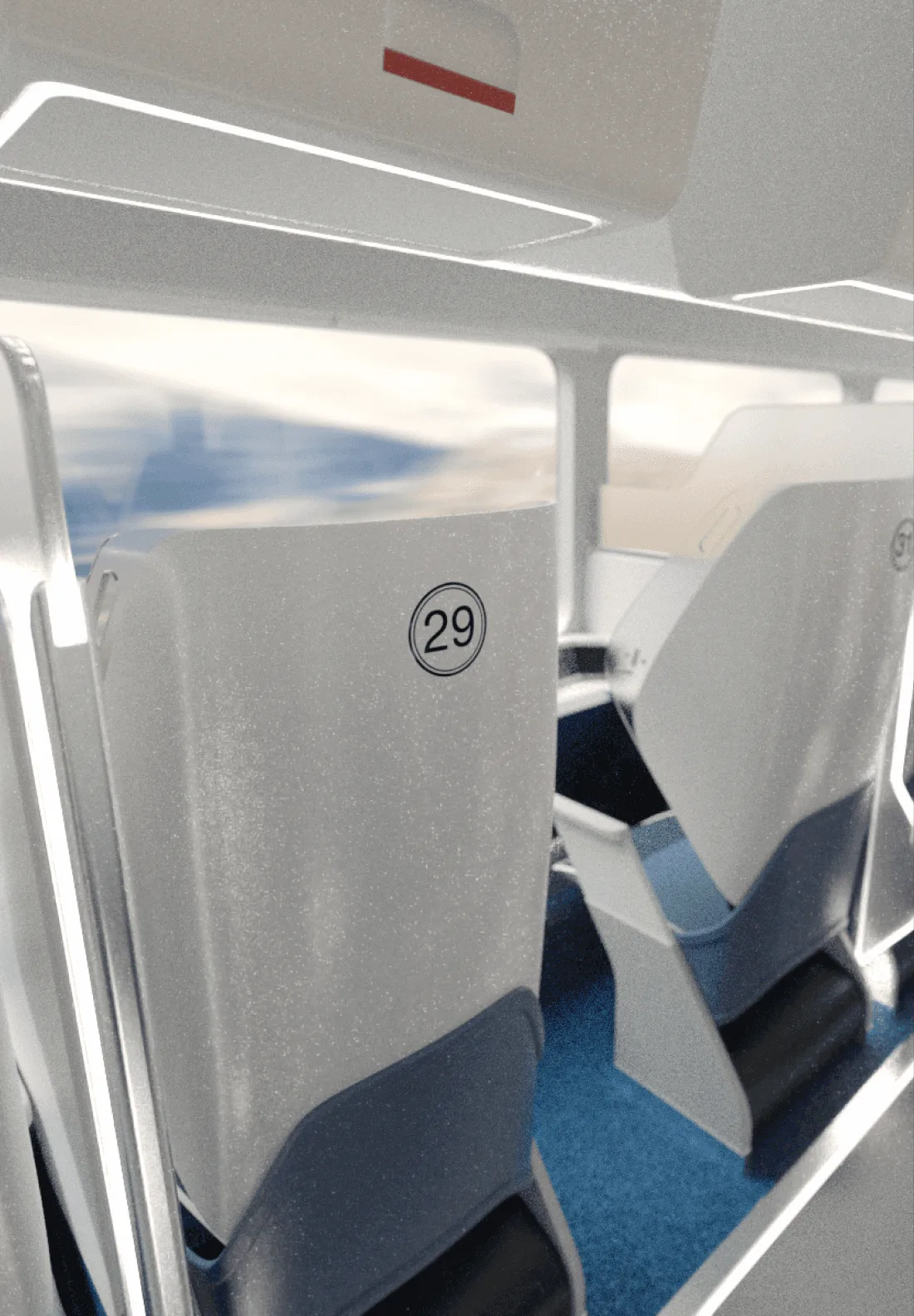
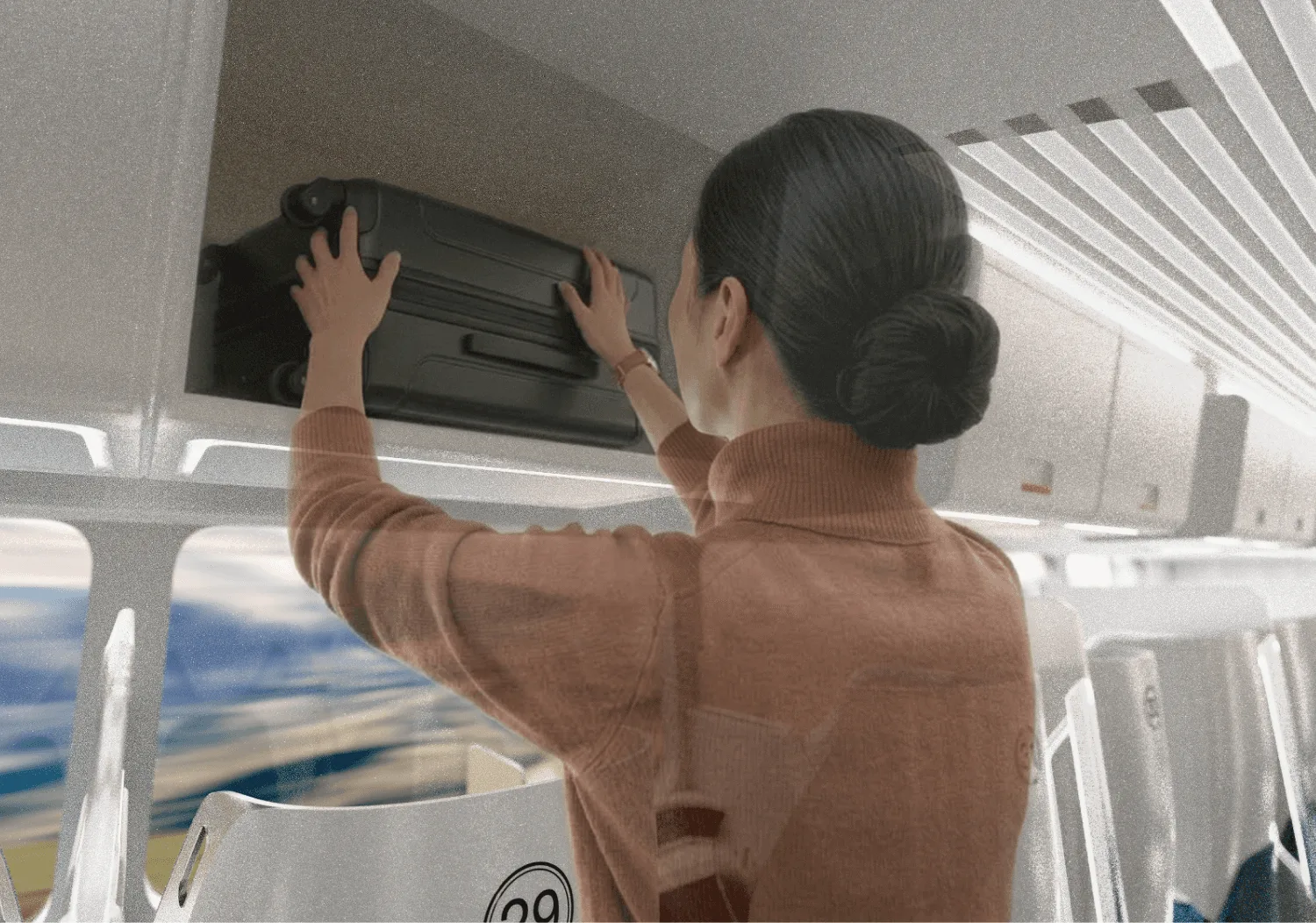
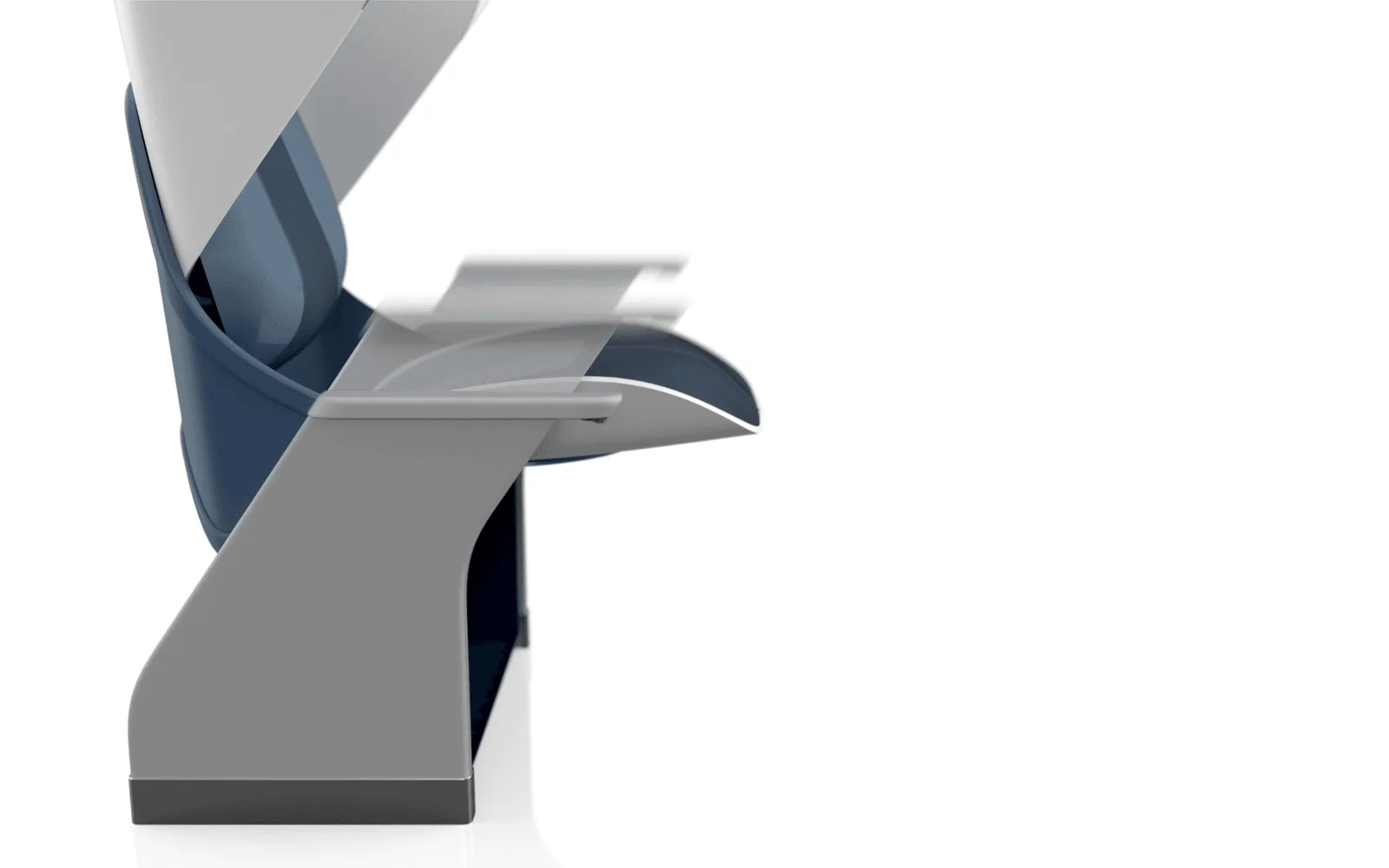
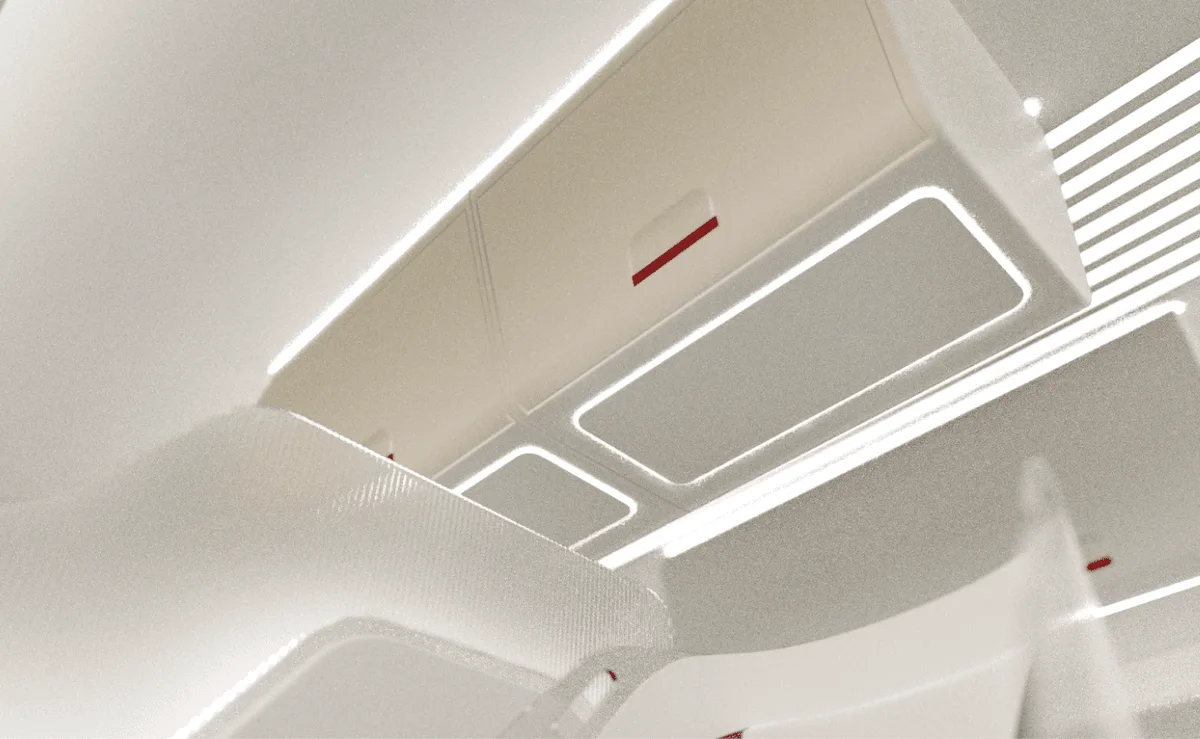
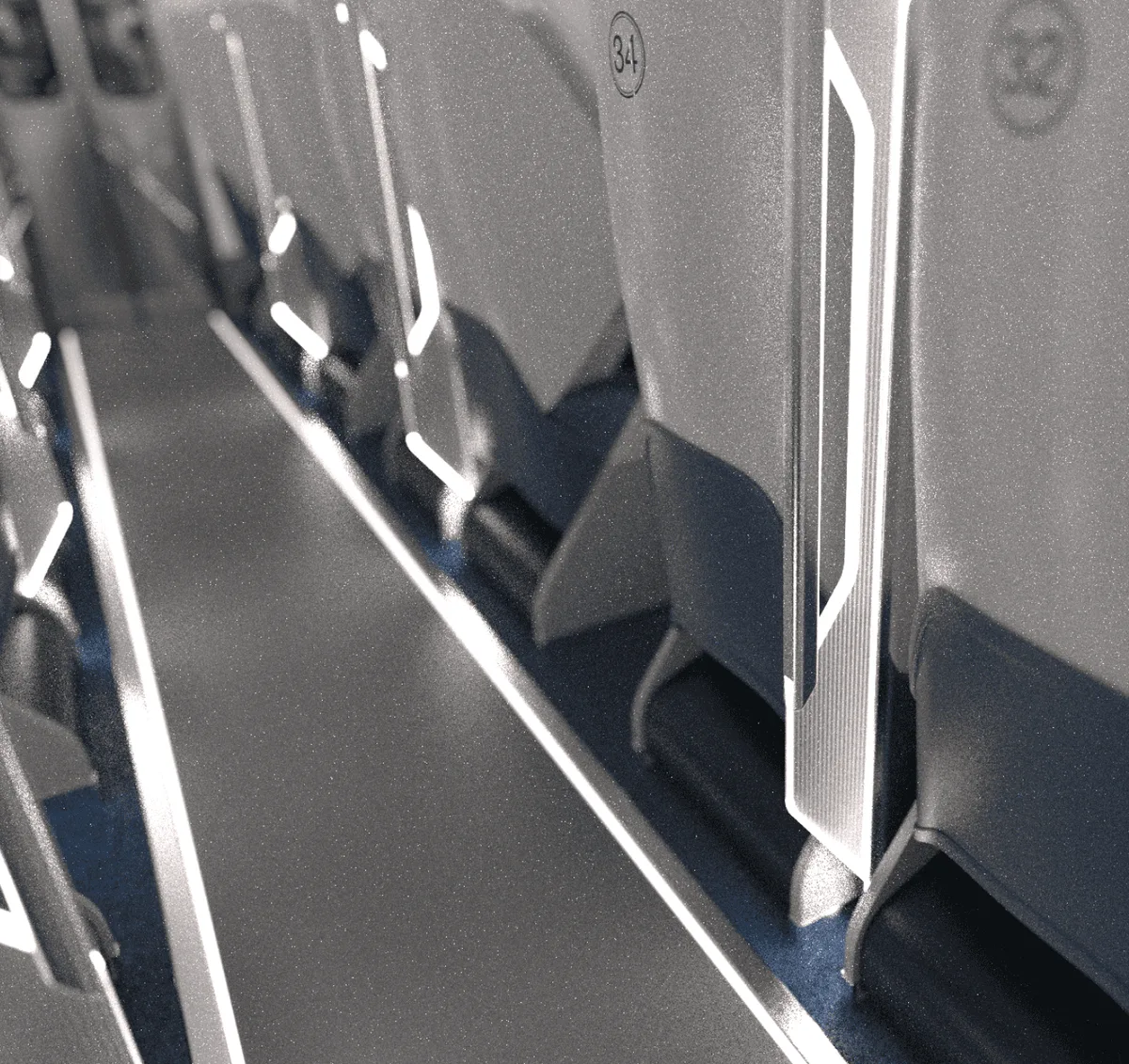
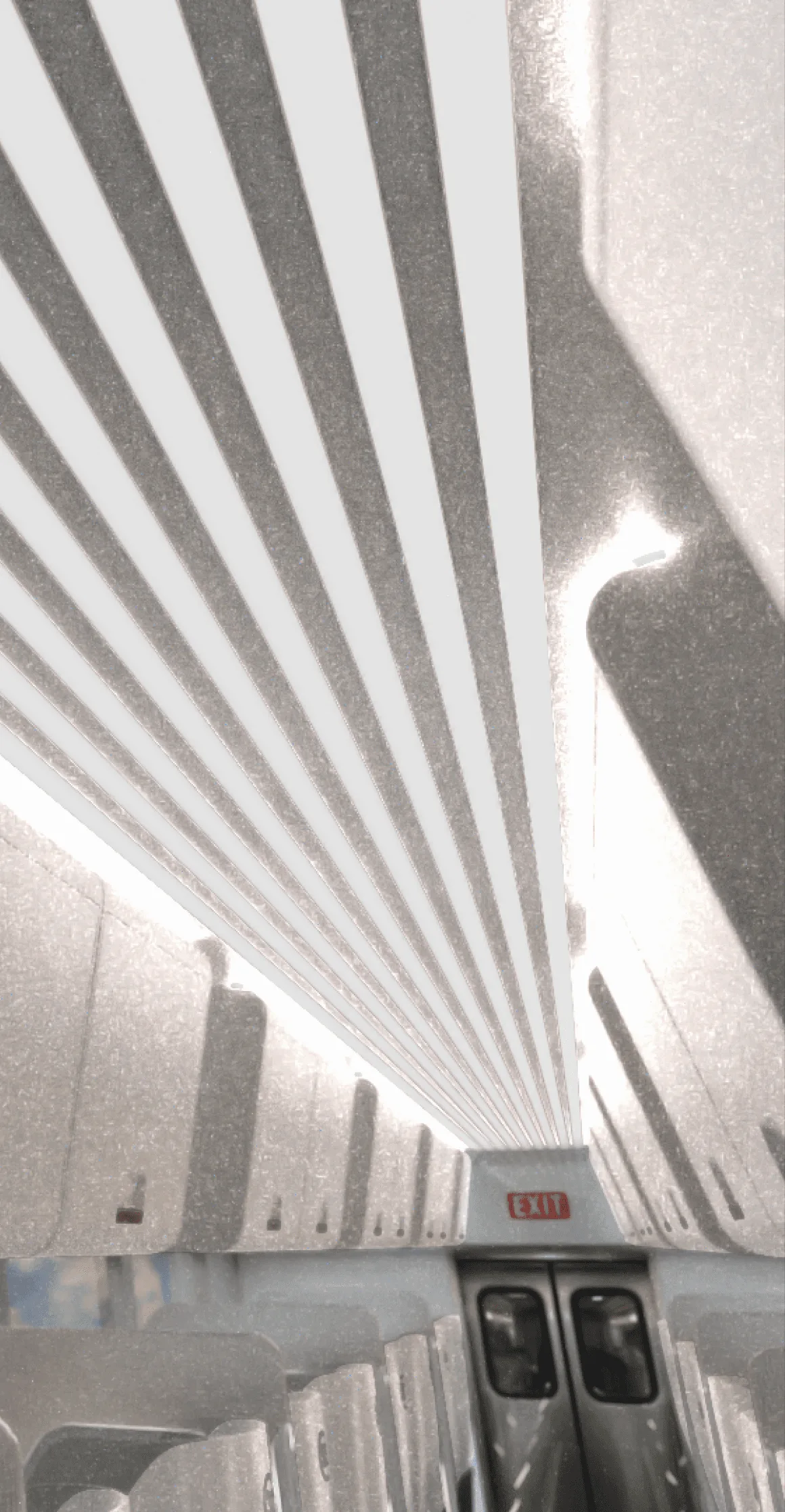
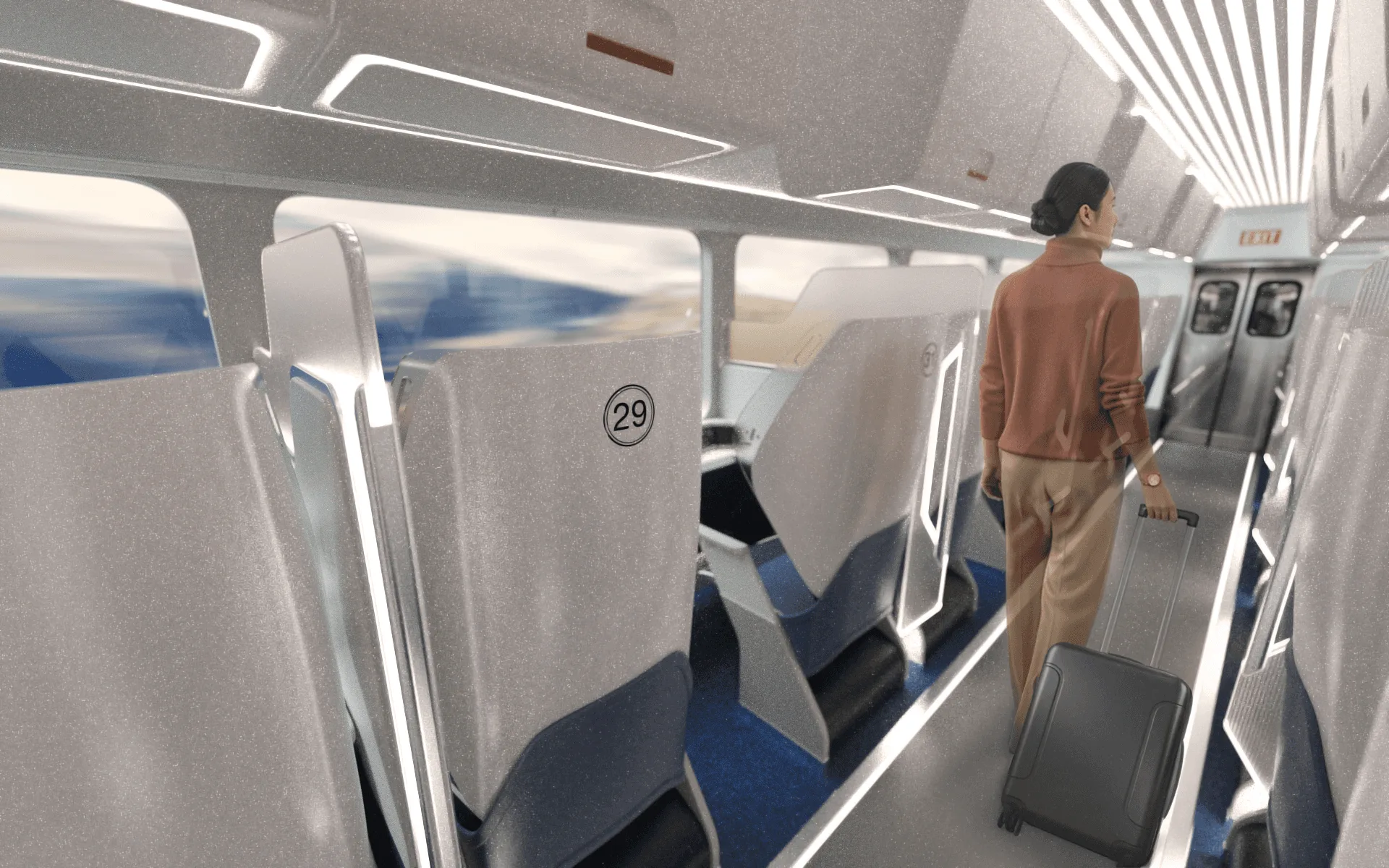
Lockable storage above each seat, lighting that guides the aisle and finds your seat, and highly adjustable seating with upholstery that's easy to replace.
Business Class, reimagined
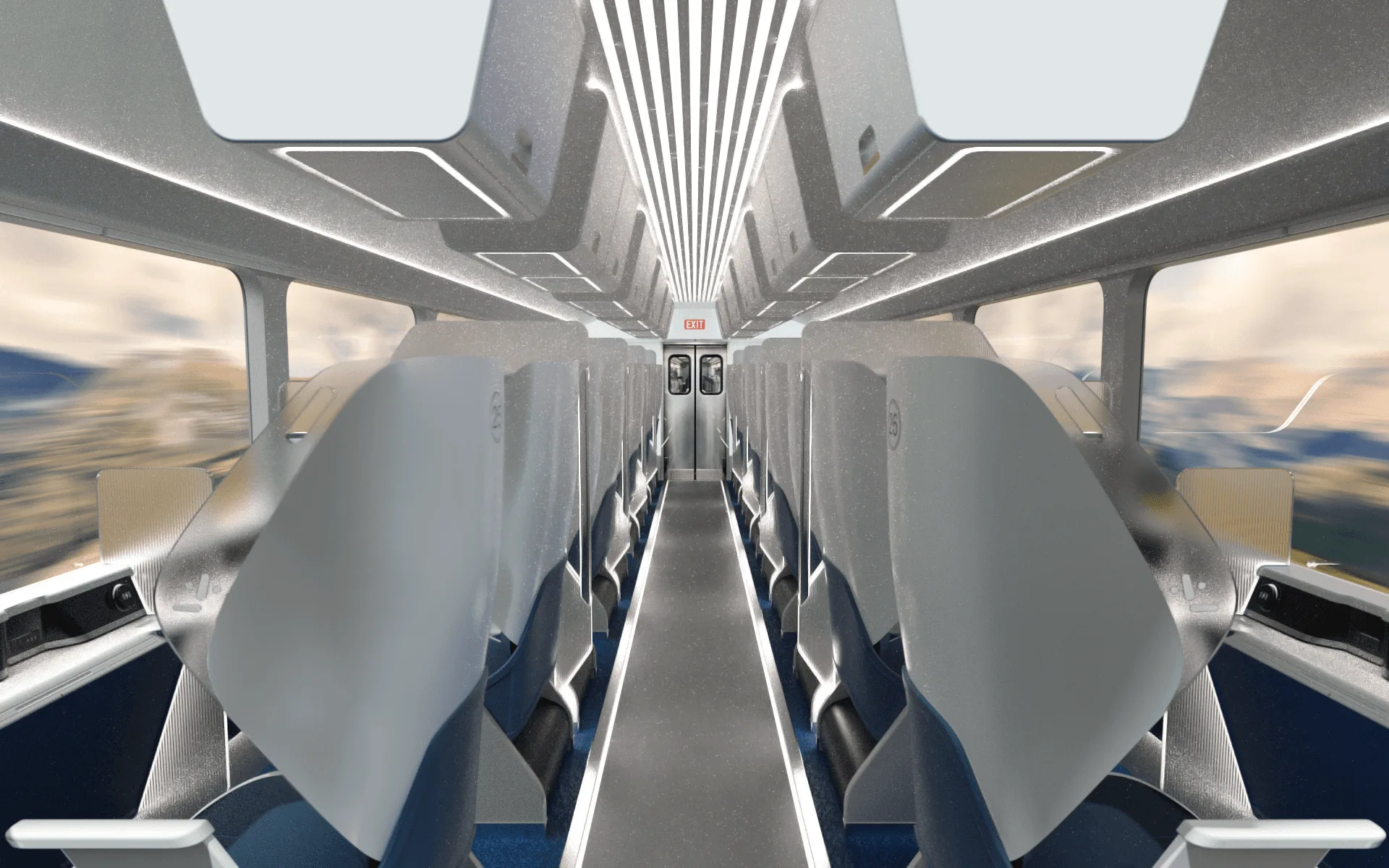
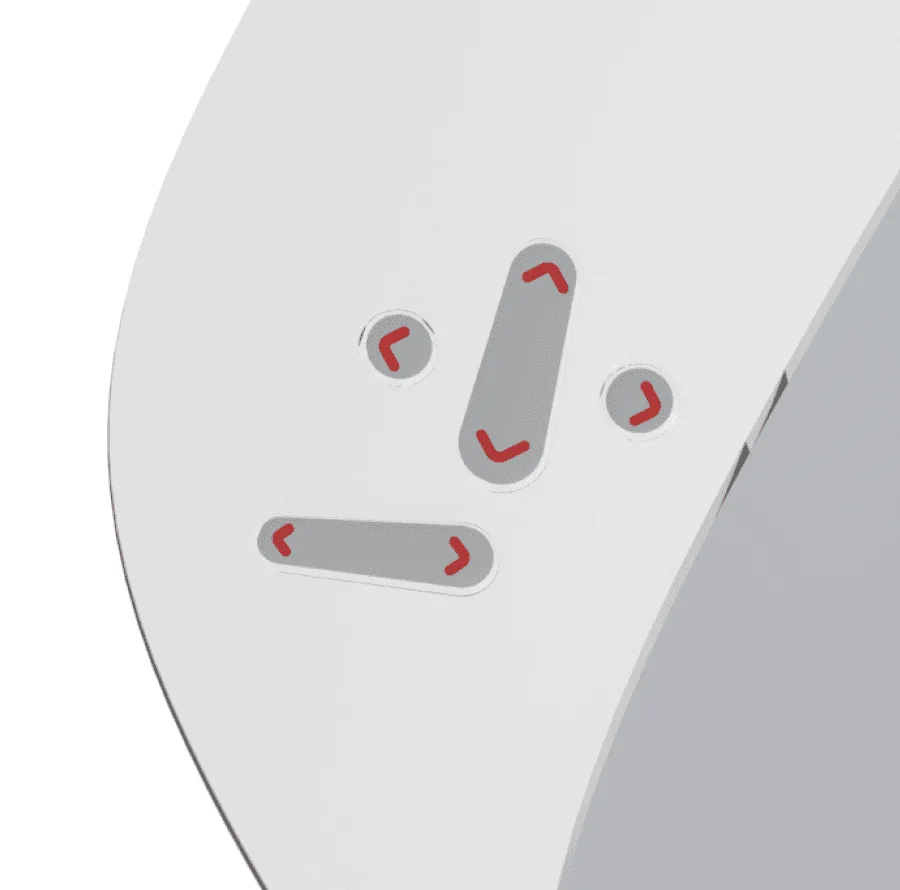
Highly adjustable, with replaceable upholstery.
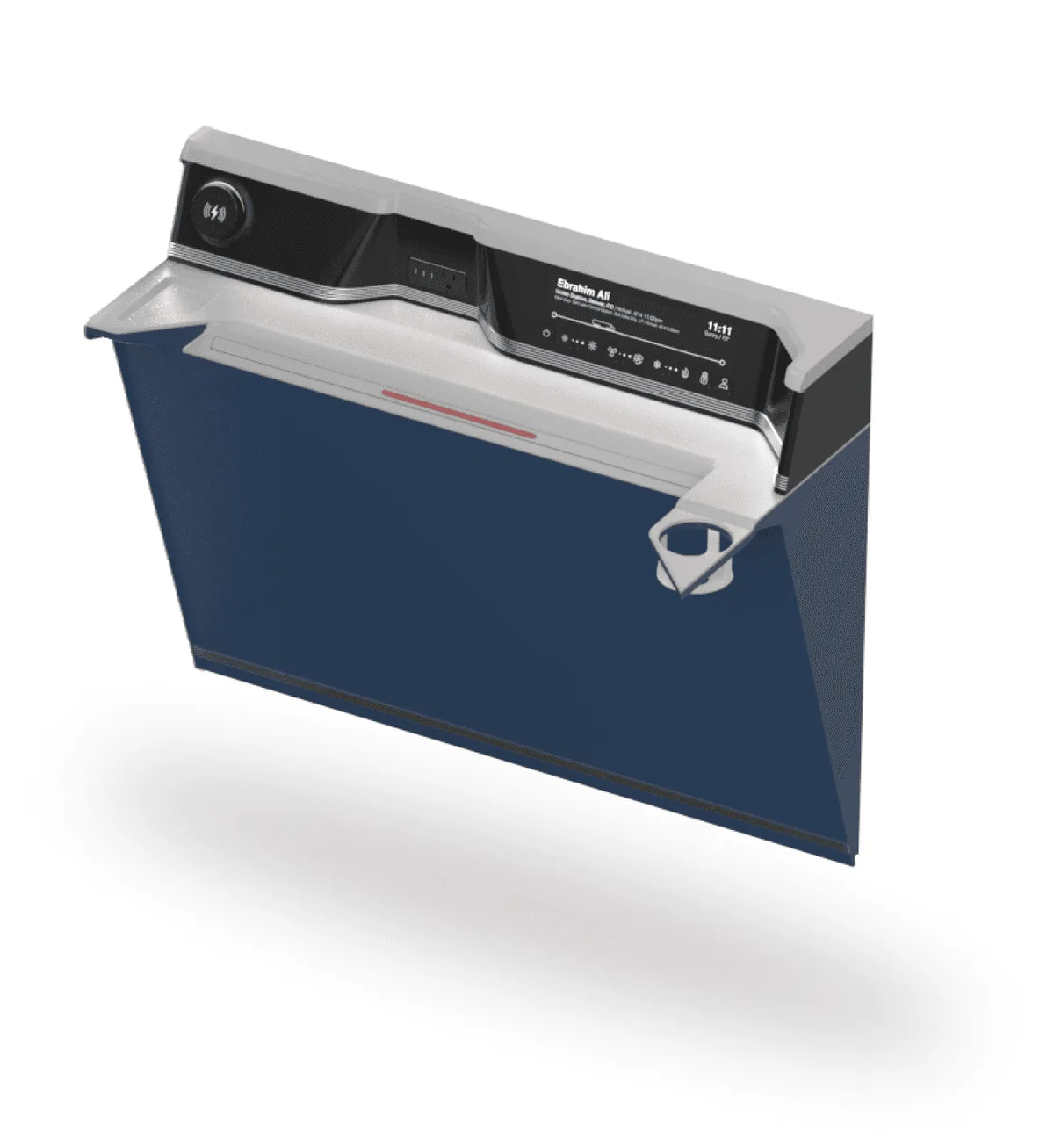
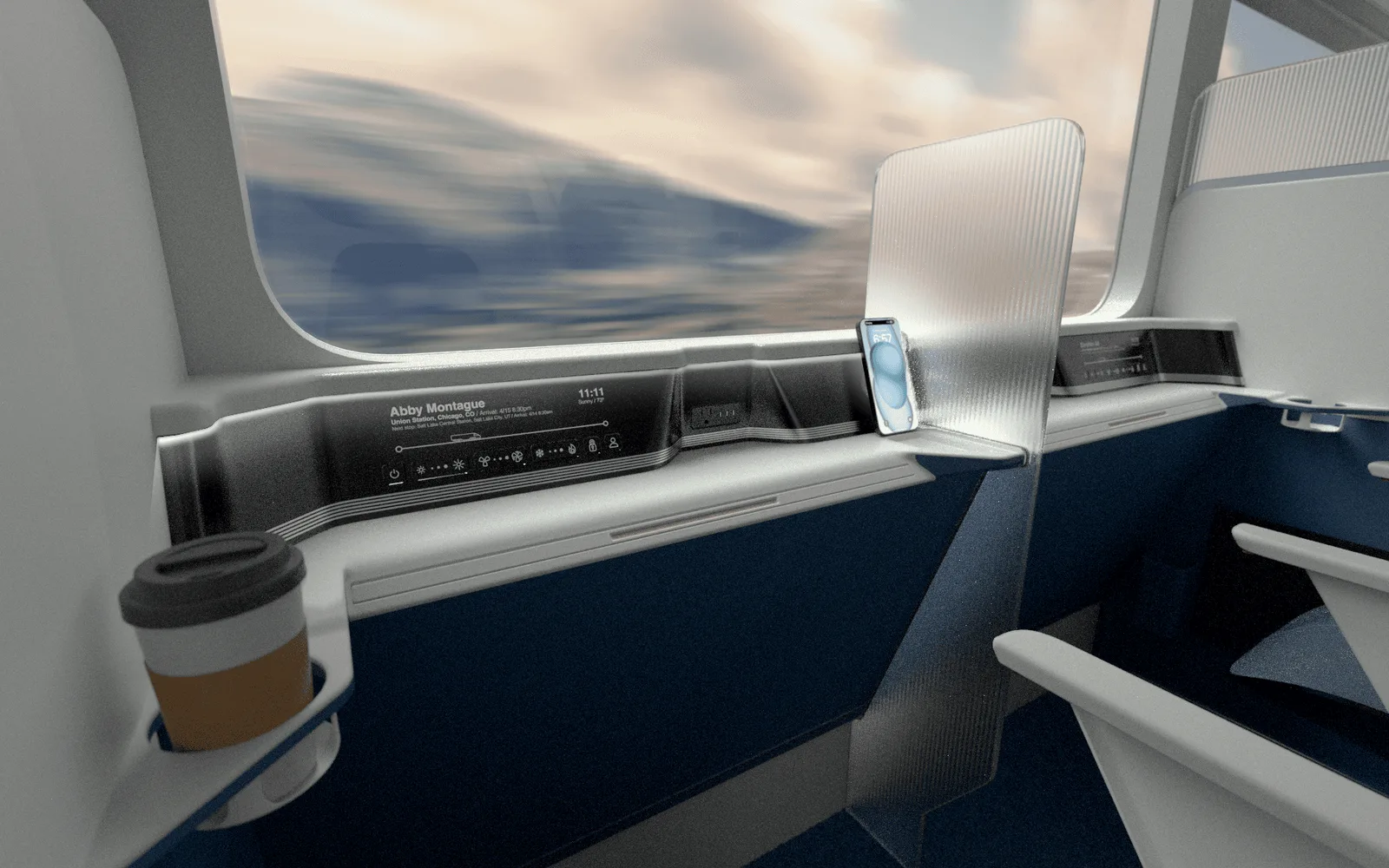
A large surface plus passenger information at the seat.
Individual luggage storage above each seat.
Lighting guides the aisle and illuminates one's seat.
What I'd do next
- [A real limitation, e.g. accessibility and boarding flow weren't fully tested.]
- [What you'd validate with Amtrak or riders next.]
- [What you learned working in a team of three.]